
A senior figure within African football has launched a scathing attack on the decision to strip Senegal of their 2025 Africa Cup of Nations title, warning it risks undermining the credibility of the game across the continent.
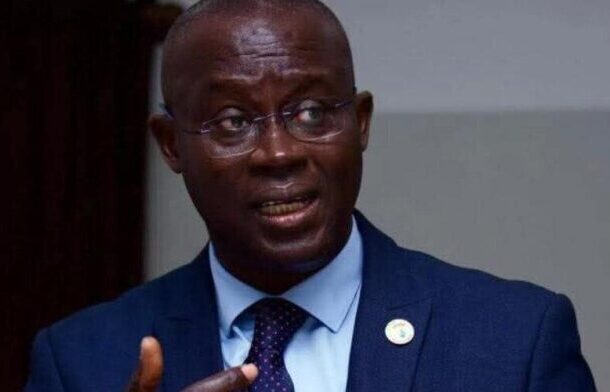
Augustin Senghor, a former vice-president of the Confederation of African Football and current executive committee member, criticised the ruling after Morocco has been awarded the 2025 AFCON title following a controversial appeal.
The decision, announced two months after the final, overturned Senegal’s 1-0 victory and replaced it with a 3-0 forfeiture, handing Morocco their first continental title in 50 years.
In a strongly worded social media post, Senghor questioned both the process and integrity of the verdict.
“They dared to do that!” he wrote, accusing officials of violating the laws of the game and insisting that Senegal would “keep its trophy no matter what”.
The controversy centres on dramatic scenes during the final in Rabat on 18 January, when Senegal’s players briefly walked off the pitch in protest at a late penalty awarded to Morocco.
The interruption lasted around 15 minutes and was marked by rising tensions, including attempted pitch invasions by supporters. When play resumed, Morocco’s Brahim Díaz missed the penalty, and Senegal went on to score the winning goal in extra time.
Initially, CAF imposed fines and sanctions on both teams but allowed the result to stand. However, following an appeal by Morocco, the governing body ruled that Senegal had breached competition regulations by leaving the field without permission, triggering an automatic forfeiture.
The decision has sparked widespread anger in Senegal, with the Senegalese Football Federation confirming plans to challenge the ruling at the Court of Arbitration for Sport.
Players have also voiced their frustration. Defender Moussa Niakhaté shared an image holding the trophy with the caption “Pour l’éternité”, “for eternity” alongside a blunt message criticising the decision.
Senghor’s intervention adds significant weight to the backlash, particularly given his role within CAF’s leadership, and reflects growing unease about governance and disciplinary processes in African football.
The dispute has cast a shadow over a tournament that had otherwise been praised for its organisation and quality, shifting attention to questions of fairness and transparency.
With Senegal preparing a legal challenge, the final outcome remains uncertain. If the ruling is overturned, it could restore Senegal’s title; if upheld, it will stand as one of the most contentious decisions in AFCON history.
For now, the debate continues with Senghor warning the episode is “too bad for African football” as the continent awaits the next chapter in an unfolding saga.
Comments