
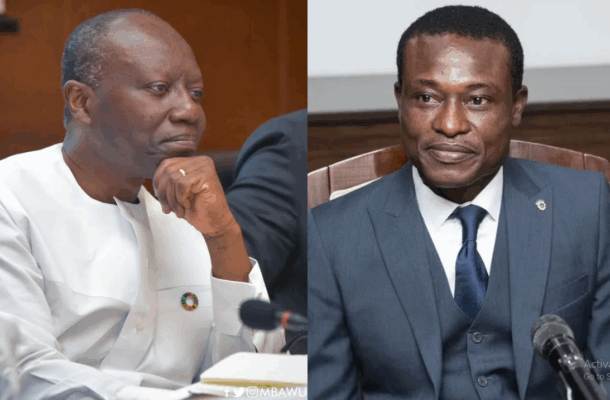
The long-anticipated prosecution of former Finance Minister Ken Ofori-Atta and seven others commences today, Thursday, December 11, marking a significant step in one of the country’s most high-profile corruption cases in recent years.
This follows the filing of a 78-count indictment accusing the former minister and his co-accused of corruption, procurement breaches, and causing financial loss to the state.
The Office of the Special Prosecutor (OSP) confirmed the start of proceedings in a statement shared on its official social media platforms, announcing: “The trial of Kenneth Ofori-Atta and 7 others is expected to start today at Criminal Court 5.”
The charges, first filed in November 2025, centre largely on the controversial Strategic Mobilisation Ghana Limited (SML) revenue assurance contracts and other related procurement activities undertaken between 2018 and 2024.
Prosecutors allege that irregular payments, unlawful procurement decisions, and breaches of financial regulations resulted in substantial losses to the state.
The accused persons—Ernest Darko Akore, Emmanuel Kofi Nti, Ammishaddai Owusu-Amoah, Isaac Crentsil, Kwadwo Damoah, Evans Adusei, and Strategic Mobilisation Ghana Limited—are all named in the indictment alongside Mr. Ofori-Atta.
Court filings state that the group collectively engaged in actions that violated procurement laws, compromised public accountability, and led to questionable payments under government contracts.
The OSP has insisted that all procedural requirements for the commencement of the trial have been duly satisfied. It also rejected claims that it is fast-tracking the case for political ends, describing such assertions as baseless.
Although some of the accused individuals, including Mr. Ofori-Atta, are currently outside the country citing medical reasons, the OSP says it has triggered all necessary legal processes—such as issuing summonses and liaising with international law enforcement—to secure their appearance before the court.
Today’s proceedings are expected to draw significant national attention, coming at a time when the relevance, strength, and future of the Office of the Special Prosecutor are subjects of intense public debate.
Civil society groups, legal analysts, and political actors remain sharply divided, with some calling for reforms to enhance the OSP’s powers and others questioning its effectiveness.
The outcome of the trial is likely to have far-reaching implications for Ghana’s anti-corruption efforts and public confidence in the justice system.
Comments