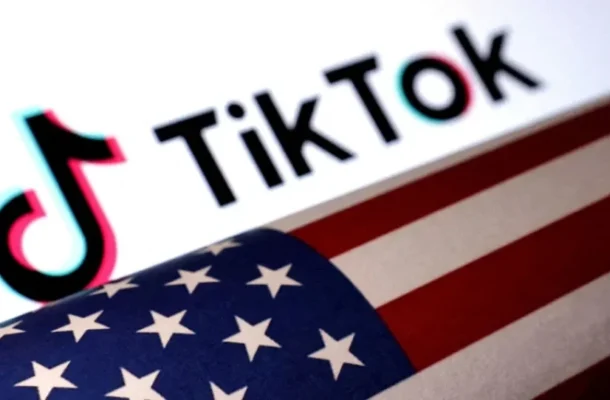
The US-China TikTok deal stipulates assets will be transferred to American hands. The agreement, involving ByteDance and major US investors, seeks to resolve national security concerns while keeping TikTok available to 170 million American users.
TikTok Deal Marks Turning Point in US-China Tech Tensions
A breakthrough has been announced in the long-running dispute over TikTok, with US President Donald Trump confirming an agreement between Washington and Beijing that could secure the app’s future in America. The US-China TikTok deal stipulates assets will be transferred to American hands, a move designed to allay national security fears after more than a year of negotiations.
The app, which has 170 million users in the US, has been at the heart of one of the most high-profile technology disputes between the world’s two largest economies.
US-China TikTok Deal Stipulates Assets Transfer
Under the terms of the agreement, TikTok’s US assets will be separated from its Chinese parent company ByteDance and placed under American ownership. According to sources cited by Reuters, the framework closely mirrors proposals discussed earlier this year.
The White House has extended ByteDance’s deadline until 16 December, giving the company 90 additional days to complete the transfer. President Trump stated that several major firms are prepared to invest in the new structure, signalling optimism that the deal could resolve a long-standing political and commercial standoff.
Structure of the Agreement and Key Investors
The deal envisages the creation of a US-dominated board to oversee TikTok’s American entity, with one member appointed directly by the US government. This model takes inspiration from previous arrangements, including the Trump administration’s deal with Nippon Steel for the acquisition of US Steel.
ByteDance is expected to retain a 19.9% stake in the restructured company, while the remaining 80% will be owned by a consortium of investors. These include SIG, General Atlantic, KKR, and venture capital firm Andreessen Horowitz. While the structure appears settled, sources warn that last-minute changes could still emerge as negotiations continue.
National Security at the Heart of the Dispute
The Trump administration has long maintained that TikTok posed a national security risk, warning that US user data could be accessed by the Chinese government. In response, TikTok stressed that American user information is already stored domestically on Oracle servers, with content moderation for US users also handled within the country.
Oracle is expected to continue its role in storing TikTok’s US data, while further steps are being discussed to strengthen security assurances and limit any potential foreign influence.
Political and Legislative Hurdles Ahead
The agreement may still face challenges in Congress, which is controlled by Republicans. Lawmakers are expected to closely scrutinise the deal, particularly given legislation passed in 2024 that required TikTok to divest its US operations over fears of espionage and influence operations.
Analysts say the approval process could be lengthy and contentious, with the possibility of additional conditions being attached before finalisation.
Broader Implications for US-China Relations
The US-China TikTok deal stipulates assets will be transferred to American hands at a time of heightened trade and technology tensions. Beijing had previously signalled its opposition to US tariffs and measures against Chinese firms, raising questions about whether the agreement could trigger further disputes.
For now, TikTok has insisted that it operates independently of the Chinese government, emphasising its commitment to user privacy and security. But with its vast influence over popular culture, business, and politics, TikTok remains more than just a social media app—it is a symbol of the wider struggle over technological dominance between Washington and Beijing.
A Test Case for Tech and Security
The agreement that US-China TikTok deal stipulates assets will be transferred to American hands reflects the growing convergence of national security, global trade, and digital technology. If finalised, the deal could provide a model for how other cross-border technology disputes are handled in the future.
TikTok’s fate continues to hang in the balance, but one thing is clear: its role in both everyday life and international politics ensures it will remain at the centre of global attention.
Comments