
We ate the Nkoko Nkitinkiti chickens because feed became too expensive – Beneficiary
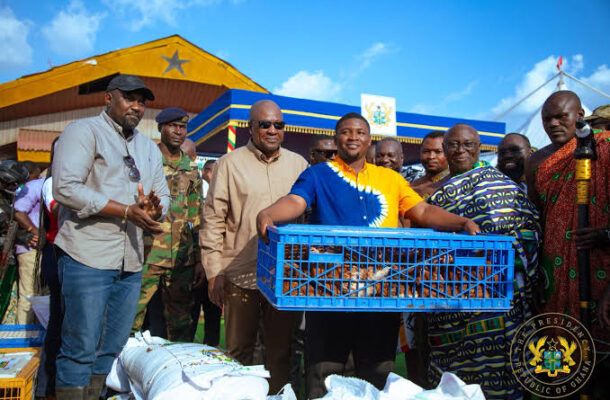
A beneficiary of the government’s Nkoko Nkitinkiti poultry initiative has disclosed that her group was forced to slaughter and eat the chickens they received under the programme after rising feed costs made it impossible to continue rearing them.
The beneficiary, identified as Enyo, shared her experience during a phone-in segment on Rainbow Radio 87.5FM’s Weekend Morning Show.
According to her, the group’s Assembly Member facilitated their participation in the initiative, enabling them to receive chicks from the government.
She explained that although the group successfully raised the birds to maturity, the high cost of poultry feed depleted their finances, leaving them unable to sustain the project. As a result, they decided to slaughter and share the chickens among themselves during the Christmas festivities instead of selling them to generate income.
Enyo’s account contrasted with remarks made earlier on the programme by the Municipal Chief Executive (MCE) for the Ayawaso East Municipal Assembly, Abdul Ganiyu Ibrahim.
Speaking to host Eddie Ray, the MCE described the initiative as a successful intervention by the ruling National Democratic Congress (NDC), saying it had enabled beneficiaries to establish viable poultry businesses.
According to him, many participants had reared the birds, sold them and reinvested the proceeds into expanding their operations.
“The initiative is not a political stunt; it has succeeded. People have great stories to tell. One beneficiary even gave me two chickens to slaughter as a testament to the programme’s success.
“Ayawaso East truly benefited from the exercise. It is real, I have the evidence to show, and the initiative is here to stay. I can share the evidence with you. We are expecting more chicks. It is a positive initiative, and we are hopeful the government will expand it,” he said.
However, during the programme’s phone-in session, Enyo offered a different perspective on the programme’s long-term viability.
“The initiative is real,” she said. “A few others and I in Weija Gbawe received the chicks and reared them. However, it reached a point where we could no longer bear the cost of the feed. As a result, we shared the chickens among ourselves and ate them. The meat was juicy and tasted great.”
Her comments highlight concerns about the affordability of poultry feed and the sustainability of small-scale poultry projects, despite the government’s efforts to promote local poultry production through the initiative.






Popular News
No trending posts found.