
EPA announces nationwide ban on styrofoam products effective January 2027
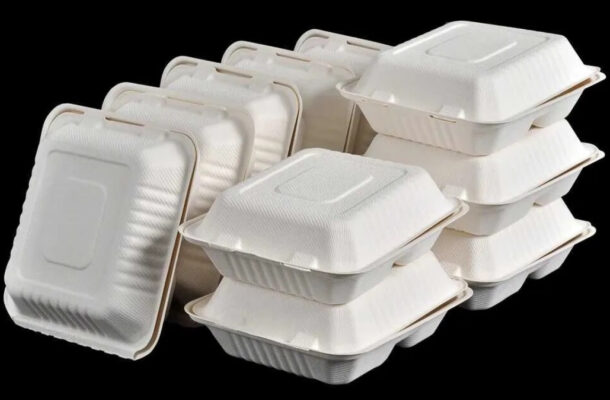
The Environmental Protection Authority (EPA) has announced a nationwide ban on all polystyrene foam products, commonly referred to as styrofoam or takeaway packs, with the directive set to take effect from January 1, 2027.
The announcement was made in a statement issued on May 25, 2026, following an earlier policy declaration by President John Dramani Mahama during the 2025 World Environment Day celebration on June 5, where he revealed government’s plans to prohibit the importation, production, and use of styrofoam products in Ghana.
According to the EPA, the ban will apply to the production, importation, distribution, sale, and use of all expanded polystyrene foam products used for domestic and commercial purposes.
The affected products include takeaway food containers, disposable cups and plates, foam packs commonly used by restaurants and food vendors, ceiling and insulation materials, foam mattresses and bedding products, as well as packaging and cushioning materials.
However, the authority clarified that expanded polystyrene products intended for medical, scientific, laboratory, and diagnostic purposes will be exempted from the directive, subject to existing regulations.
The EPA has also outlined an 18-month transition period ahead of the enforcement date to allow stakeholders to prepare adequately for the change.
During this period, the authority says it will embark on nationwide stakeholder engagements, public education campaigns, and technical consultations while strengthening regulatory inspections and compliance monitoring to ensure effective implementation of the directive.
To support enforcement across the country, the EPA indicated that it will work closely with Metropolitan, Municipal and District Assemblies, port authorities, customs officials, and industry regulators to prevent loopholes within the supply and distribution chain.
The authority has further urged manufacturers, importers, distributors, retailers, and consumers to begin transitioning to environmentally friendly alternatives as part of efforts to reduce plastic pollution and promote sustainable waste management practices in Ghana.














Comments (0)