
Bono Region records increase in fish production in first Quarter of 2026
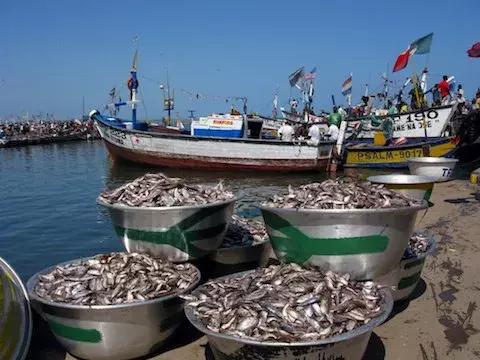
Fish production in the Bono Region recorded a modest increase during the first quarter of 2026, with total output reaching 1,988.1 metric tons compared to 1,883.81 metric tons during the same period in 2025.
The Bono Regional Director of Fisheries, Diana Obuobi Sakyibea, disclosed the figures in an interview with the Ghana News Agency (GNA) in Sunyani.
She explained that capture fisheries accounted for the bulk of production, contributing 1,926.2 metric tons, while aquaculture production stood at 61.9 metric tons. In the corresponding period last year, capture fisheries produced 1,850 metric tons, with aquaculture contributing 33.81 metric tons.
The region also recorded significant growth in fingerling production. According to Sakyibea, 89,000 fingerlings were produced between January and March 2026, a substantial increase from the 31,200 recorded during the same period in 2025.
Similarly, the number of fingerlings stocked rose to 35,450 in the first quarter of 2026, compared to 23,400 a year earlier.
Sakyibea attributed the improved performance to intensified extension services provided by the Fisheries Commission, which have helped fish farmers adopt improved production practices and enhance productivity.
She noted that the availability of fish feed, harvesting equipment and scoop nets also contributed to the increase in production.
In addition, the commission organised training programmes for fish farmers and encouraged networking among producers to help them address common operational challenges, particularly those related to marketing.
According to her, collaboration among farmers remains crucial for expanding production and promoting the growth of aquaculture in the region.
Despite the gains, Sakyibea identified the high cost of fish feed as a major challenge facing the sector. She called on government and development partners to support the establishment of feed processing plants in the country to reduce production costs.
She explained that local feed manufacturing facilities would enable farmers to process locally available raw materials into fish feed, lowering expenses while creating additional income opportunities for producers and processors.
The Regional Director also appealed for the provision of affordable credit facilities and soft loans to fish farmers and their associations to support expansion and improve productivity.
She further encouraged fish farmers to adopt innovative marketing strategies to maximise returns from their operations.
With the fisheries sector continuing to expand, Sakyibea called for additional personnel to strengthen the Fisheries Commission’s extension services and support increased production across the region.















Comments (0)