
Buffer Stock CEO calls for GH¢1.5bn Investment in national food reserves
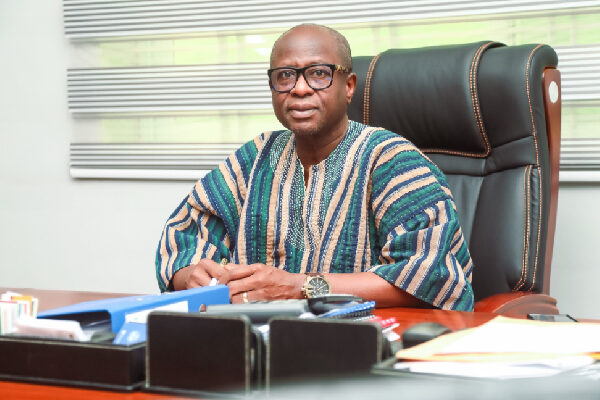
The Chief Executive Officer of the National Food Buffer Stock Company, George Abradu-Otoo, has stated that Ghana requires at least GH¢1.5 billion to establish a robust national food reserve system capable of supporting farmers, reducing post-harvest losses, and enhancing food security.
According to him, the approximately GH¢300 million currently available to the company falls far short of the amount needed to effectively purchase and store surplus grains produced by farmers across the country.
Speaking in an interview on JoyNews on Thursday, June 18, 2026, Mr. Abradu-Otoo explained that the government had initially provided funding to support the company’s operations and later increased its allocation to expand grain purchases.
“Last year, Finance Minister Dr. Cassiel Ato Forson announced an additional GH¢200 million for us to continue the work we were doing. In total, we have had about GH¢300 million available,” he said.
Despite the additional support, he noted that the current level of funding only allows the company to make a limited impact in absorbing excess agricultural produce from farmers.
“If we are to undertake a meaningful and comprehensive mop-up of surplus grains, we need no less than GH¢1.5 billion. You can therefore imagine what GH¢300 million has been able to achieve,” he stated.
Mr. Abradu-Otoo, however, commended the government for recognising the importance of establishing a national food reserve system, describing the initiative as a significant step toward strengthening Ghana’s food security architecture.
“It is a good beginning for the government to even think in the first place that we need to have a national food reserve,” he noted.
He further observed that Ghana has lagged behind many countries within the West African sub-region in setting up strategic food reserves despite its strong agricultural potential.
“Across the West African sub-region, Ghana is one of the few countries that did not have a national food reserve system. Even countries such as Mali have established strategic food reserves,” he said.
The comments come amid growing concerns over food security, fluctuating grain prices, and post-harvest losses, with stakeholders calling for increased investment in storage infrastructure and market interventions to support farmers during periods of bumper harvests.
Industry observers believe a well-funded national food reserve system could help stabilise food supplies, protect farmers from price crashes, and improve the country’s ability to respond to food emergencies and external shocks.






Popular News
No trending posts found.