
Construction cost inflation edges up in May 2026 as equipment and specialist inputs rise
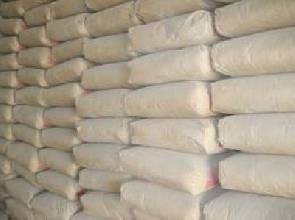
Construction cost inflation in Ghana recorded a slight increase in May 2026, driven mainly by higher prices for equipment and specialised building inputs, even as continued declines in cement and steel prices helped ease overall pressures in the sector.
Data from the Ghana Statistical Service (GSS) show that the year-on-year Prime Building Cost Index (PBCI) inflation rate rose to 2.7 percent in May 2026, up from 2.2 percent in April 2026. Although this reflects a modest uptick, it remains significantly lower than the 22 percent recorded in May 2025, indicating a broader easing in construction inflation over the past year.
The report highlights mixed price movements across the construction industry. While key bulk materials such as cement and steel continued to record price declines, increases in the cost of equipment, specialised materials and selected inputs pushed the overall index higher.
The PBCI measures changes in the cost of constructing buildings, covering materials, labour and plant equipment. On a month-on-month basis, construction costs rose by 1.4 percent, extending a steady upward trend observed since the beginning of the year.
Materials drive inflation
Materials remained the main source of inflationary pressure, accounting for nearly all of the overall increase. The category, which represents 76.5 percent of the index, recorded year-on-year inflation of 3.5 percent in May, compared with 2.4 percent in April.
Within this segment, several items recorded sharp price increases. Plumbing materials rose by 22.8 percent, roofing sheets by 19.9 percent, and glazing by 18.5 percent. Electrical works, metal fabrication, and reinforcement materials also saw double-digit increases.
However, these upward movements were partly offset by continued declines in major inputs. Cement prices dropped by 14.5 percent year-on-year, while steel prices fell by 8.1 percent, helping to moderate overall cost escalation.
Electrical works emerged as the single largest contributor to construction inflation, accounting for more than 63 percent of the year-on-year increase, followed by glazing, metalwork, plumbing, and tiling.
Rising equipment costs
A notable development in May was the sharp increase in plant and equipment costs. Prices in this category rose by 9.8 percent year-on-year, more than double the 4.7 percent recorded in April.
Small tools saw inflation of 12.6 percent, while general equipment costs increased by 6.2 percent. On a monthly basis, plant-related prices rose by 4.7 percent, indicating renewed cost pressures linked to machinery and construction operations.
The Ghana Statistical Service noted that sustained increases in equipment costs could become a concern for contractors and developers if the trend continues.
Labour costs ease into decline
In contrast, labour costs moved into deflation. Labour inflation fell to -2.0 percent in May, down from 1.0 percent in April, making it the main factor cushioning overall construction cost increases.
Skilled labour costs declined by 1.7 percent, while unskilled labour costs dropped by 2.6 percent year-on-year. On a monthly basis, labour costs also fell by 0.6 percent.
According to the GSS, the negative contribution from labour helped offset rising costs in materials and plant categories. The agency suggested that fluctuations in labour pricing may reflect underlying structural issues in the construction labour market, including skills availability and workforce dynamics.
Outlook
Overall, the data suggest that Ghana’s construction sector is experiencing relative price stability compared to the sharp inflationary pressures recorded in 2024 and early 2025. The annual average PBCI inflation stood at 7.1 percent in May 2026, indicating a significant moderation in cost growth across the industry.





Popular News
No trending posts found.