‘BoG is in a difficult position’ — Gideon Boako warns
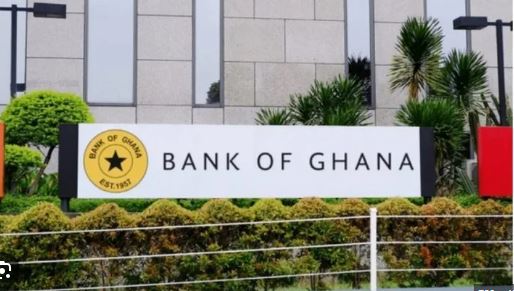
The Member of Parliament for Tano North and a member of Parliament’s Finance Committee, Dr Gideon Boako, has expressed concern over the financial state of the Bank of Ghana (BoG), describing the central bank as being in a “precarious situation” amid mounting losses and worsening negative equity.
Speaking on The Point of View on Wednesday, May 6, 2026, Dr Boako dismissed suggestions that the Bank of Ghana’s losses were largely the result of its success in controlling inflation and stabilising the economy.
According to him, only a small portion of the losses could be attributed to exchange rate-related revaluation effects linked to the central bank’s monetary policy interventions.
“The component of the loss that is coming from re-evaluation or exchange loss is the 5 or so billion cedis you’re talking about. So out of 34, only 5 or so billion cedis is attributable to what you can say is the Bank being punished for its own success,” he stated.
Dr Boako argued that the majority of the losses reflected broader financial difficulties facing the central bank rather than the impact of successful economic policies.
“The chunk of the loss has nothing to do with that. So that conversation that the bank is a victim of its own success is neither here nor there,” he said.
He warned that the Bank of Ghana’s current financial position should be treated as a serious national concern.
“The Central Bank is in a precarious situation now,” he added.
His comments come amid heightened public debate over the Bank of Ghana’s 2025 financial statements, which revealed a GH¢15.63 billion loss for the year, compared to the GH¢9.49 billion loss recorded in 2024.
The latest figures represent an increase of about 65 percent year-on-year, despite relative stability in inflation and exchange rate volatility during the period.
The financial statements also showed that the central bank’s negative equity position widened significantly to GH¢93.82 billion.
The Bank of Ghana has maintained that the losses were largely driven by the cost of monetary policy interventions, liquidity sterilisation measures, and exchange rate-related adjustments introduced to restore macroeconomic stability and curb inflation.
However, Dr Boako’s remarks have added to growing scrutiny over the sustainability of the central bank’s financial position and the broader implications for Ghana’s economy.






Popular News
No trending posts found.