
Ghana loses over GHc6.2 Billion every year to poor sanitation – ISSER
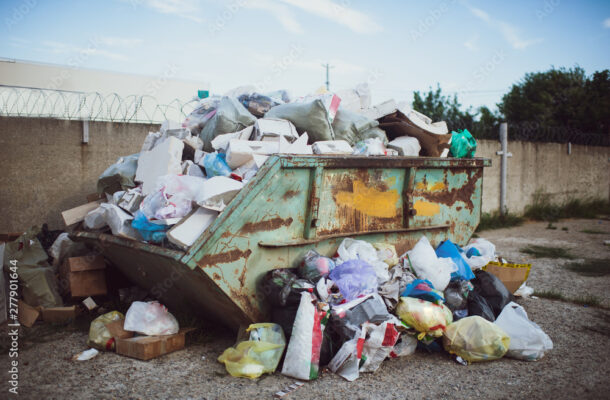
Ghana loses more than GH¢6.2 billion annually as a result of poor waste management and inadequate sanitation, according to a new policy brief released by the Institute of Statistical, Social and Economic Research (ISSER) at the University of Ghana.
The report, titled Waste or Wealth? The Economic Returns to Sanitation Investment in Ghana, estimates that health-related costs and productivity losses linked to poor sanitation exceed GH¢6.2 billion every year. In contrast, Metropolitan, Municipal and District Assemblies (MMDAs) collectively spend only GH¢180.2 million annually on waste management and sanitation.
According to ISSER, the country spends nearly 30 times more addressing the consequences of poor sanitation than it invests in preventing them.
The report identifies preventable diseases such as malaria, cholera and typhoid as the leading contributors to these economic losses. It estimates that these illnesses account for approximately 31.9 million lost work and school days each year, in addition to about 107,222 premature deaths.
ISSER further revealed that Ghana incurs an estimated GH¢5.58 billion in direct medical treatment costs annually due to sanitation-related diseases. Another GH¢650 million is lost through absenteeism and reduced productivity.
The institute also warned that rapid urbanisation, population growth and changing consumption patterns are placing increasing strain on the country’s waste management systems, posing significant risks to public health, environmental sustainability and economic development.
ISSER urged policymakers to view waste management as a strategic economic investment rather than merely an environmental or social obligation. It noted that greater investment in sanitation infrastructure and services would help reduce disease outbreaks, boost productivity and drive long-term economic growth.





Popular News
No trending posts found.