
GOIL slashes Petrol Price to GHc12.79 as fuel prices begin falling across Ghana
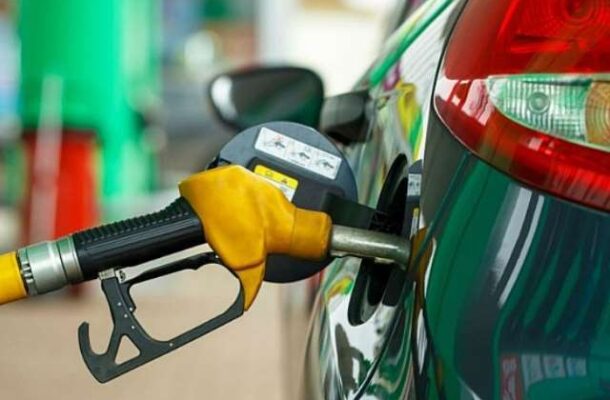
Some Oil Marketing Companies (OMCs) have started reducing fuel prices at the pumps following the latest pricing window announced by the National Petroleum Authority (NPA) and improved conditions on the global oil market.
Market leader GOIL has cut the price of petrol from GH¢13.87 to GH¢12.79 per litre, while diesel has been reduced from GH¢15.95 to GH¢15.35 per litre.
Another major OMC, Star Oil, has also confirmed that it will soon lower its pump prices. The company told JoyBusiness that it intends to sell petrol at the minimum price set by the NPA.
Several other OMCs have indicated they will also adjust their prices in the coming days. Ghana currently has more than 200 licensed oil marketing companies.
Under the NPA’s new pricing guidelines for the first pricing window of July 2026, no OMC is permitted to sell petrol below GH¢12.79 per litre, down from the previous minimum price of GH¢13.39.
The regulator also reduced the minimum selling price of diesel from GH¢15.11 to GH¢13.54 per litre, representing a 10.4% decline.
Liquefied Petroleum Gas (LPG) recorded the largest adjustment, with the minimum price dropping from GH¢13.23 to GH¢10.11 per kilogram, a reduction of GH¢3.12, or 23.6%.
Industry outlook
The Chamber of Oil Marketing Companies (COMAC) projects that petrol prices could decline by between 1.94% and 9.31%, depending on the pricing strategies of individual OMCs.
Diesel prices are also expected to fall by as much as 10.2%, while LPG could record a decline of between 24.5% and 26.86%.
COMAC described the latest reductions as the steepest two-week fall in fuel prices since the global oil market collapse during the COVID-19 pandemic in 2020.
The Chamber attributed the trend partly to the release of previously stranded oil tankers through the Strait of Hormuz, which has raised expectations that global oil supplies could shift from a deficit to a surplus.
What is driving the price reductions?
According to COMAC, the latest decline in fuel prices has been driven by a sharp drop in international crude oil prices and the continued appreciation of the Ghana cedi against major foreign currencies.
The Chamber said global crude oil prices fell by 19.69% over the review period, while refined petroleum products also posted significant declines.
LPG recorded the largest international price drop at 15.96%, followed by diesel at 15.18% and petrol at 6.92%.
Crude oil prices declined from US$97.32 per barrel to US$78.16 per barrel by the end of June, marking the sharpest two-week fall since 2020.
The decline followed a June 17 memorandum of understanding between the United States and Iran, which paused hostilities, reopened the Strait of Hormuz and established a 60-day ceasefire to allow further negotiations.
However, COMAC noted that renewed military strikes and fresh accusations exchanged on June 27 and June 28 have created some uncertainty over the durability of the agreement.
On the domestic front, the Ghana cedi also strengthened during the period.
For the July 1, 2026 pricing window, the local currency appreciated by 3.24% against the US dollar, improving from GH¢11.8035 to GH¢11.4333 to the dollar, further contributing to the downward adjustment in fuel prices.





Popular News
No trending posts found.