










GoldBod profiles licensed buyers to trace Ghana’s gold sources
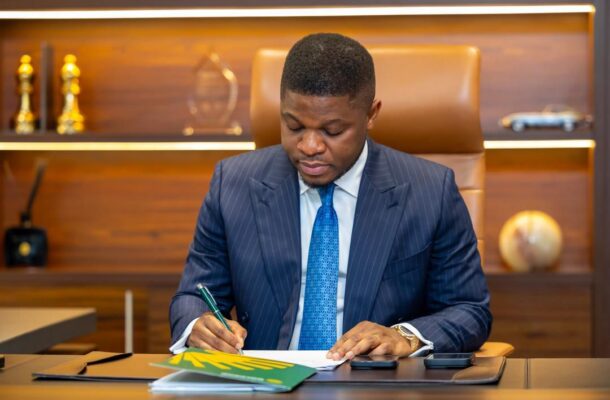
The Ghana Gold Board (GoldBod) is profiling every individual and organisation licensed to buy gold in the country as part of efforts to improve traceability and accountability in the sector, its Chief Executive Officer Sammy Gyamfi says.
The exercise is intended to help GoldBod establish where gold purchased by licensed buyers originates and provide a clearer understanding of how gold moves across Ghana.
Mr Gyamfi said the initiative was part of wider measures to strengthen oversight of the industry and ensure that gold traded through the formal system could be properly tracked and accounted for.
Speaking on Twitter Spaces on Sunday, August 9, he said the profiling process was already helping the Board identify the sources of gold entering the formal market.
“We are profiling all persons with a licence to buy gold in Ghana, and it is helping us know where all the gold buys are coming from,” he said.
GoldBod’s work forms part of efforts to bring greater transparency to Ghana’s gold trade by improving information about the buyers operating within the licensed system and the gold they acquire.
Mr Gyamfi also pointed to changes taking place further along the country’s gold value chain, particularly the increasing amount of gold purchased by GoldBod that is now being refined locally.
He said 7.1 metric tonnes of gold bought by the Board was currently being refined in Ghana. The development means the country is retaining refining fees that would previously have been paid to countries including the United Arab Emirates.
The Chief Executive Officer said Ghana’s expanding refining capacity was also strengthening the country’s position in the international gold market.
He highlighted the accreditation secured by Gold Coast Refinery from the London Bullion Market Association (LBMA) as an important milestone for the sector. The development, he said, reflected Ghana’s growing ability to take part more meaningfully in the global gold trade.
The profiling of licensed buyers is therefore being used alongside greater domestic refining to improve oversight of the industry and retain more value within Ghana.
GoldBod’s focus is on making the formal gold market more transparent, from the point at which licensed buyers acquire the metal to the stage where it is refined and traded. By identifying the sources of gold entering the formal system, the Board aims to build a more complete picture of national gold flows and strengthen accountability among those authorised to buy.
Mr Gyamfi said the information gathered through the profiling exercise was helping GoldBod understand the origins of gold purchases made by licensed operators. The Board is also using the process to support its broader supervision of the sector and ensure that legally traded gold can be properly accounted for.
The increase in local refining, meanwhile, is changing how Ghana benefits from its gold production. With 7.1 metric tonnes currently being refined domestically, fees that had previously left the country for overseas facilities, including those in the United Arab Emirates, are now being retained in Ghana.
Together with Gold Coast Refinery’s LBMA accreditation, the development has been presented as evidence of the country’s growing capacity across the gold value chain.





Popular News
No trending posts found.