














IES commends GH¢2 Diesel price Relief, warns subsidy may not be sustainable long-term
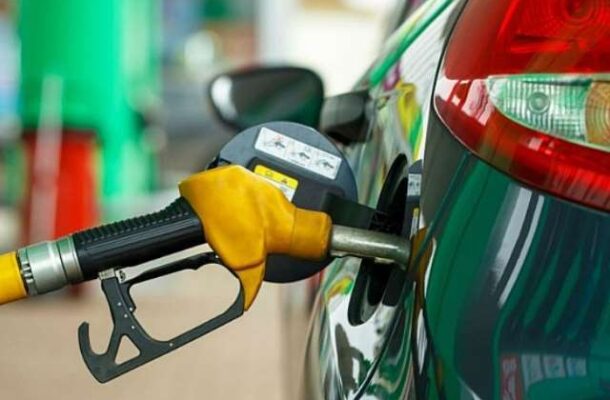
The Institute for Energy Security (IES) has praised the government’s decision to reduce the cost of diesel through a GH¢2 per litre subsidy, describing the move as a necessary intervention to ease pressure on consumers and help manage inflation.
Speaking on Joy FM’s Top Story on Monday, August 3, IES Senior Research and Policy Analyst Derek Emmanuel Xatse said the measure reflects the institute’s earlier call for government action to shield consumers from the effects of rising international oil prices.
He said the decision would bring relief to households, businesses and players within the energy sector who have been affected by increasing fuel costs.
“This is good news for all Ghanaians because IES earlier this morning also put out a press release suggesting that government should act immediately to cushion consumers. Having this response is good news for all Ghanaians and stakeholders in the energy sector,” he stated.
Mr. Xatse explained that fuel price increases have a widespread impact on the economy, affecting commercial transport operators, private businesses and individuals alike.
“Regardless of the area, we are all affected, whether through commercial activities, private businesses or other areas,” he added.
Although he welcomed the diesel subsidy, the energy analyst said extending the intervention to petrol users would have provided additional relief to more consumers.
“Who would have thought that it could be extended to cover petrol consumers? That would have been another good news for us. But as it stands, what government has introduced is a measure aimed at cushioning consumers,” he said.
However, Mr. Xatse cautioned that maintaining the subsidy over a long period could place a significant burden on government finances due to the high cost involved.
He referenced previous fuel-related interventions during periods of global uncertainty, noting that such measures require substantial public resources.
“If we look at the amount of money government will spend during this period, we can compare it to what was spent when the war started. That was a huge amount of money running into millions of cedis,” he explained.
The analyst said the unpredictable nature of global crude oil prices makes it difficult to determine how long the relief measure can remain in place.
“This is something that is volatile. Nobody can say whether it will last for one week, two weeks, three weeks or four weeks,” he noted.
He stressed that subsidies should only be considered temporary solutions and not a permanent approach to dealing with fluctuations in fuel prices.
According to him, a reduction in global tensions could eventually ease crude oil prices and allow fuel prices to stabilise.
Mr. Xatse also argued that the government’s intervention could help prevent immediate increases in transport fares, which could have wider consequences for inflation.
He noted that transport unions have already been calling for fare adjustments and warned that once fares increase, operators may not easily reverse them even if fuel prices later decline.
Higher transport costs, he said, would affect the prices of goods and services and further weaken consumers’ purchasing power.
Looking ahead, the IES analyst urged government to focus on broader economic measures, including efforts to strengthen the Ghana cedi, which has recently experienced depreciation pressures.
He explained that a stronger cedi could help reduce fuel prices further since petroleum products are largely influenced by foreign exchange movements.
Mr. Xatse concluded that while the GH¢2 diesel subsidy provides immediate relief to consumers, the sustainability of such interventions will depend on government’s financial capacity and overall economic conditions.
He added that the temporary suspension of certain taxes and margins is intended to give consumers some relief during the current period of high fuel costs.





Popular News
No trending posts found.