
IMF exit: cross section of Ghanaians now expect stable utility tarrifs, no more taxes, lower cost of living and exchange rate stability
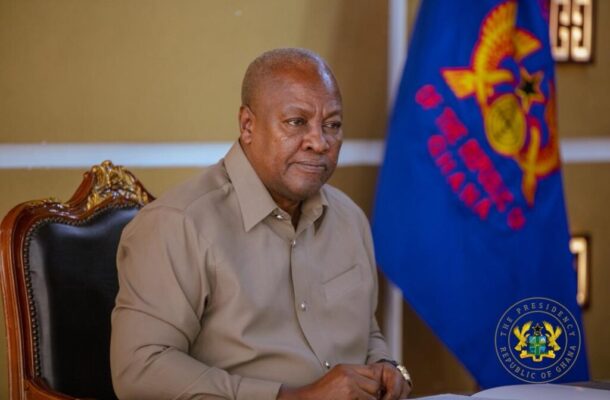
A cross section of Ghanaians have expressed unanimous views on economic indicators they expect to significantly improve to improve business and livelihoods, following Ghana’s conclusion of its latest IMF programme.
The IMF, last week announced Ghana had concluded its Extended Credit Facility programme, and transited into another, the Policy Coordination Instrument, a non financing programme, which also allows the IMF to supervise the government’s policies with some form of restrictions expected.
However, following the exit from the Extended Credit Facility, a cross section of Ghanaians from the business community, petty traders, the working class and students, among others, expect the exit to ensure stability, rather than worsen economic conditions.
In the interviews, fears were expressed about the fragility of the economy notwithstanding the seeming stability, with concerns expressed on three indicators: utility tarrifs, cost of living and exchange rate stability.
“Ghanaians have made lots of sacrifices and have paid some heavy price for the economic gains we have see. You can talk of new taxes introduced, heavy electricity bills, sacrifices of cocoa farmers and many others this year. So with the exit from the IMF, I, and indeed many from the business community expect improvements without further tax burden on businesses,” said Francis Ackon, a spare parts dealer at Abossey Okai.
Another spare parts dealer, Francis Peprah, expressed hope that the exchange rate, which he said has started declining lately, will see more stability and not decline, following the exit from the IMF programme.
“The exchange rate has seen stability, but it has also showed vulnerability, as we have seen some decline lately. For us importers, this is key and our expectation is that the IMF should not lead to a sharp decline. We also do not expect to be slapped with further taxes,” he said.
Many of the importers expressed similar concerns about exchange rate stability and against imposition of new taxes moving forward.
For petty traders and households, the main concerns were high electricity tarrif and general rising cost of living, which they hoped shoukd not further go up.
“I run a salon and electricity is one of my major expenses. Over the last year, the cost of my consumption has nearly doubled for the same thongs I use so I hope we don’t see further increase as the government exits the IMF,” said Elizabeth Boadu, who owns a salon in Osu, Accra.
Francis Azuma, a public worker, complained about rising cost of living, despite ”much talk about economic gains,” and called on the government to do everything possible to ensure that the gains reflect on livelihood.
“What is economic gain if it’s not reflected in cost of living and livelihood? We are paying for more transport fares than before and we are paying more utility bills than before. So what’s the point in going to the IMF and registering all these economic indicators only for cost of living to keep going up? said, Francis Ameno, a student at University of Ghana.
Like Amenyo, many Ghanaians of diverse backgrounds, want the government’s policies post the IMF Extended Credit Facility programme to have a positive impact on businesses and livelihoods in the form of lower taxes, stable exchange rates and utility tarrifs.











Comments (0)