














IMF urges Ghana to keep quarterly electricity tariff reviews as energy-sector deficit falls
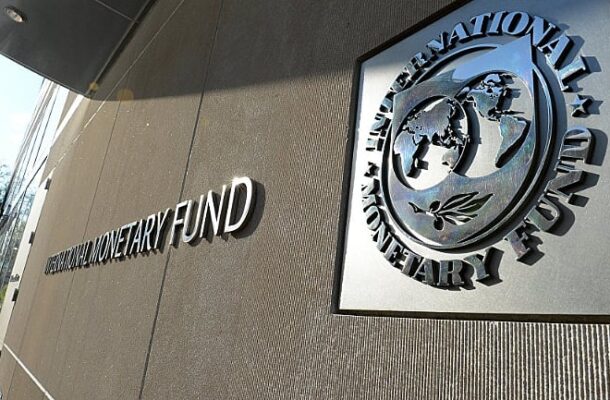
The International Monetary Fund (IMF) has called on Ghana to maintain quarterly electricity tariff adjustments, saying the framework is essential to reducing fiscal risks and improving the financial stability of the energy sector.
Ghana’s energy-sector shortfall fell to US$1.4bn in 2025, down from US$1.6bn in 2024. Despite the improvement, the IMF said the sector continued to place significant pressure on the country’s public finances.
In its 2026 Article IV Consultation and Sixth Review under the Extended Credit Facility (ECF), the Fund said further reforms would be needed to preserve recent gains and establish a more sustainable financial footing.
“Despite progress, challenges remain in transforming the sector from a source of fiscal risks to a driver of inclusive growth,” the IMF said.
The Fund linked the reduction in the shortfall to several factors, including electricity tariff adjustments, improved revenue collection by the Electricity Company of Ghana (ECG), lower reliance on liquid fuels for power generation and an appreciation of the cedi.
It also cited increased payments to energy suppliers through the Cash Waterfall Mechanism as a contributing factor.
However, the IMF projected that the sector’s shortfall would still be about US$1.1bn in 2026. It said the expected deficit would be driven mainly by high collection and distribution losses, as well as expensive power-generation contracts.
The report highlighted changes made under Ghana’s quarterly tariff adjustment system. The Public Utilities Regulatory Commission (PURC) cut electricity tariffs by 4.81% in April 2026, before raising them by 3.49% in July 2026.
The IMF said preserving the tariff framework was necessary to narrow the energy sector’s financing gap and improve cost recovery. It added that the system would help the sector meet its financial obligations to independent power producers (IPPs) and fuel suppliers.
The Fund also recognised the government’s efforts to reduce accumulated liabilities in the energy sector.
Net amounts owed to IPPs and fuel suppliers fell to US$1.7bn by March 2026, compared with US$2.1bn at the end of 2024. The reduction followed debt renegotiations and payments made through government interventions.
According to the IMF, the government achieved savings by renegotiating power purchase agreements and legacy debt obligations. It also made substantial payments to energy suppliers, including those associated with the Sankofa gas project.
The IMF recommended that Ghana follow the quarterly tariff review process strictly, publish audit reports regularly on ECG’s revenue collection accounts and fully implement the Cash Waterfall Mechanism.
It identified greater private-sector involvement in electricity distribution as another important reform.
A transaction adviser has been appointed to help oversee the procurement of concessionaires, with the concessions expected to be awarded by June 2027.
The IMF said private-sector participation could help reduce technical and commercial losses, improve revenue mobilisation and increase operational efficiency across the electricity distribution system.
It stressed that building a financially sustainable energy sector would require continued policy discipline and reforms after the current IMF-supported programme ends.
A more efficient and financially sound energy sector, the Fund said, would be important for supporting economic growth, attracting investment and easing pressure on Ghana’s public finances.




Popular News
No trending posts found.