
Include landowners in payment of community mineral royalty – Report
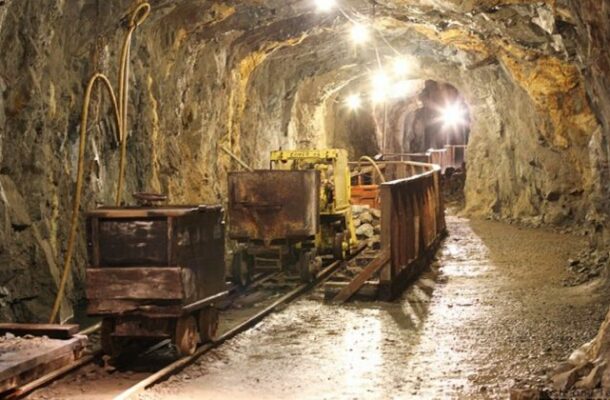
A new study on Ghana’s proposed Minerals Royalty Bill has recommended that landowners in mining communities receive a share of mineral royalties to promote fairness and help reduce conflicts in mining areas.
The study argues that including landowners in the community-level distribution of royalties would encourage greater support for mining projects and strengthen their role in facilitating mining operations, similar to the role traditionally played by chiefs.
The findings were presented by Dr Abdulai Darimani, a consultant for the study, during a national convening on the proposed Minerals Royalty Bill.
The report was commissioned by Livelihood and Environment Ghana (LEG) in collaboration with 10 civil society organisations working in the extractive sector, with support from the Star Ghana Foundation.
Among its key recommendations is a review of the existing mineral royalty distribution formula, with a larger share allocated to community-level stakeholders.
According to the report, the current formula has remained unchanged since 1960, making it more than 65 years old. It argues that the framework no longer reflects present-day realities and should be revised to ensure a more equitable distribution of mining revenues.
The study comes amid growing public debate over the fair allocation of Ghana’s mineral wealth. It noted that concerns about the current system have also been raised by traditional leaders in mining communities, with the Minerals Commission documenting complaints over what some describe as an unfair distribution of mineral royalties.
The report also referenced the Minerals and Mining (Amendment) Act, 2015 (Act 900), which abolished the fixed five per cent royalty rate and empowered the Minister for Lands and Natural Resources to prescribe applicable royalty rates through regulations.
As part of its proposals, the study recommends increasing the portion of mineral royalties earmarked for disbursement from 10 per cent to 15 per cent.
It further proposes that the Office of the Administrator of Stool Lands receive three percentage points of the 15 per cent allocation to support timely disbursement, monitoring and effective management of the funds.
The remaining 12 per cent, converted into a 100 per cent distribution pool, would then be shared as follows: 70 per cent to District Assemblies, 15 per cent to stools, 10 per cent to traditional authorities and five per cent to landowners.
The report also calls for clear timelines governing the transfer of mineral royalties between institutions to prevent delays and minimise the potential abuse of discretionary powers during the disbursement process.
Richard Adjei Poku, Executive Director of Livelihood and Environment Ghana, said the study examined the legal and institutional framework governing mineral royalty distribution in Ghana.
He explained that the report seeks to highlight the economic significance of the mining sector and the critical role mineral royalties play in domestic revenue mobilisation while contributing to ongoing discussions on reforming the country’s royalty distribution system.




Popular News
No trending posts found.