
“Prophets rise when elections loom” — Apostle Nyamekye cautions against Ghana’s election-cycle politics
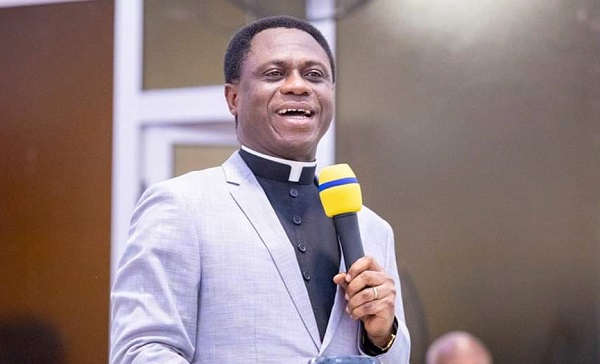
A prominent ecclesiastical voice has trained withering criticism on Ghana’s political class for surrendering governance to the whims of superstition and election-season prophecy, demanding that the nation abandon its fascination with divination and anchor itself instead in disciplined long-term institutional planning.
Apostle Eric Nyamekye delivered his rebuke during the 2026 National Day of Prayer convened in Accra on Wednesday, July 1, his words cutting against a grain of political culture that has grown comfortable outsourcing strategic decisions to spiritual intermediaries with transparent ideological allegiances.
The Pentecost Chairman identified a pernicious pattern that materialises with predictable regularity as electoral cycles approach. Prophetic voices multiply, each claiming special insight into the trajectory of forthcoming votes.
Those seers whose predictions prove sufficiently amenable to particular political factions receive honourable recognition and tangible rewards — incentives that leave little mystery regarding the motivations animating their pronouncements.
“When it is about elections, prophets rise, and the one who is able to give the most accurate prophecy depending on which side of the political divide they lean sometimes gets honourably rewarded. And who doesn’t want that honour? But let’s move this nation away from the calendar and superstition,” Nyamekye urged.
The consequences of this spiritual theatre extend far beyond the amusing: they prevent Ghana from conducting serious national conversation about the structural deficiencies that require attention.
Electoral seasons devoted to mystical speculation represent opportunities irretrievably lost to substantive policy debate.
Campaign promises designed to win votes inevitably collide with fiscal reality once administrations assume office, creating a perpetual cycle of disappointment as rhetorical commitments prove unexecutable.
Nyamekye pressed political leadership to transcend the four-year election calendar that has become the organizing principle of governance. Meaningful institutional development requires horizons extending beyond a single administration’s tenure.
Policies worth pursuing are those whose fruits may not manifest until successor governments have taken power — institutional investments in education, health infrastructure, and scientific capacity that require sustained commitment across electoral transitions.
“You see, when we don’t move away from superstition and the calendar, we will never settle down,” the Pentecost Chairman stressed.
He challenged political actors to adopt leadership modalities divorced from campaign manifestos and instead anchored in long-term vision transcending their individual tenures. Ghana’s development agenda must reflect not the ambitions of a particular administration but the country’s trajectory across generations.
Yet Nyamekye balanced his critique with expressions of faith. Despite the structural dysfunction and institutional fragility confronting the nation, he affirmed his conviction that Ghana retains capacity for transformation.
The Almighty has not withdrawn divine favour from the realm, he suggested, but transformation requires more than petitionary prayer. Discipline, accountability and purposeful action must accompany spiritual devotion.
“Prayer alone would not guarantee development unless it is accompanied by discipline, responsibility and purposeful action,” he emphasised.






Popular News
No trending posts found.