
Revive youth football or risk falling behind – Kwesi Nyantakyi Warns
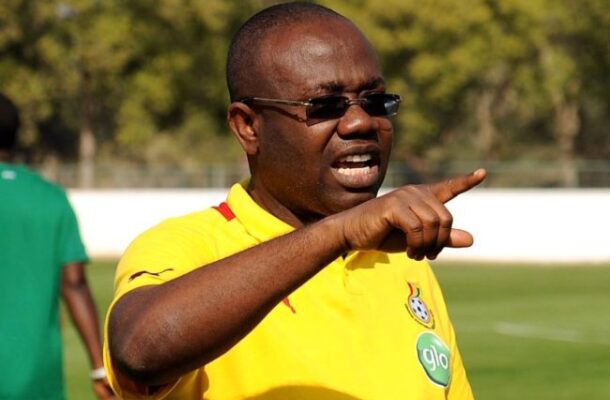
Former Ghana Football Association (GFA) president Kwesi Nyantakyi has called for renewed investment in youth football, warning that Ghana’s ambitions of returning to the top of African and world football will remain out of reach without a strong player development system.
In an opinion article published on Monday, Nyantakyi argued that structured youth development, quality education, well-regulated football academies and the revival of the national Under-20 League are essential to securing the future of Ghanaian football.
He said player development should remain the central focus of every stakeholder in the game, from administrators and coaches to referees, medical personnel and sports psychologists.
According to Nyantakyi, Ghana’s traditional “colts system” laid the foundation for nurturing young talent, but the modern game demands a more structured approach that combines football with formal education.
He rejected the long-held perception that football is a career for school dropouts, citing international examples where players who combined education with sport enjoyed greater success. He pointed to Ghana’s female national teams as evidence that the model works.
Nyantakyi recalled how the GFA’s development strategy between 2006 and 2010 prioritised education for youth national team players. The policy, he noted, helped produce generations of successful female footballers, with Ghana’s Under-17 women’s team qualifying for every FIFA World Cup since 2010 and the Under-20 side reaching every edition since 2009.
The former GFA president also highlighted the role played by leading football academies, including Liberty Professionals, Right to Dream and WAFA, in producing top-level talent. He stressed that football academies should meet strict licensing requirements, including age-group programmes, educational support, qualified technical staff, proper medical facilities and adequate infrastructure.
However, he expressed concern that financial challenges have allowed many academies to operate below acceptable standards, describing the situation as one that requires urgent regulation and sustained investment.
Nyantakyi also renewed calls for the return of Ghana’s Under-20 League, describing it as one of the country’s most successful youth development initiatives.
He said the competition, which served as a curtain-raiser to Ghana Premier League matches, became a crucial platform for identifying future national team players. It helped produce members of the Black Starlets’ 2007 squad, the Black Satellites team that won the FIFA Under-20 World Cup in 2009, and several players who later established themselves in the Black Stars, including André Ayew, Emmanuel Agyemang-Badu, Jonathan Mensah and Samuel Inkoom.
Despite its success, the league was eventually suspended because clubs struggled to meet the financial demands of running youth teams.
Nyantakyi believes the competition can be revived through collaboration between the government, the GFA, GHALCA, football clubs and corporate sponsors.
He concluded that Ghana must prioritise investment in structured youth football if it is to rebuild its national teams and compete consistently at the highest level.
“The future of our football depends on the decisions we make today,” he said.





Popular News
No trending posts found.