















Weak cedi limits Ghana fuel price cuts despite GH¢2 diesel subsidy, says IES
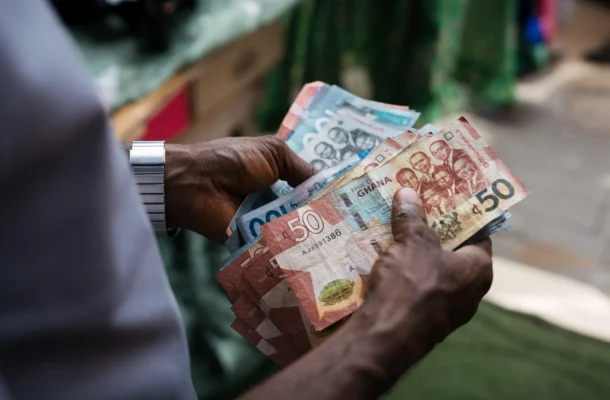
The depreciation of the Ghana cedi is restricting the scale of fuel price reductions available to consumers, despite government measures aimed at easing the effect of higher global oil prices, the Institute for Energy Security (IES) says.
The organisation said movements in the exchange rate remain one of the main factors determining petroleum prices in Ghana, alongside changes in the international crude oil market.
Speaking on Joy FM’s Top Story on Monday, August 3, IES Senior Research and Policy Analyst Derek Emmanuel Xatse said the government’s decision to introduce a GH¢2 per litre subsidy on diesel had provided some relief to consumers.
However, he said the impact would have been greater if the cedi had remained stronger against major currencies.
“The cedi for the past weeks has also been depreciating, which is not good for Ghanaians because rather than that, we would have been having more reduction at the various pumps,” he said.
Ghana relies heavily on imported petroleum products, meaning changes in the value of the local currency can quickly affect the cost of fuel before it reaches consumers.
Mr Xatse said the recent subsidy had helped to cushion motorists from some of the pressure created by international oil prices, but added that the weakening cedi was eroding part of the benefit that could otherwise have been passed on through lower pump prices.
His comments come as the government seeks to limit the effect of rising global crude oil prices on households and businesses. The IES said pricing at fuel stations is influenced not only by developments in the global oil market but also by how much the cedi is worth when petroleum products are imported.
A sustained decline in the local currency therefore makes imported fuel more expensive in Ghanaian cedi terms, even when international market conditions might otherwise allow for a reduction in domestic pump prices.
Mr Xatse argued that efforts to protect consumers should extend beyond short-term interventions. He said stabilising the cedi needed to become part of the government’s broader, long-term approach to preventing repeated increases in fuel prices.
“The long-term measure is that the government has to look for more money to be able to cushion consumers,” he said.
He added that wider macroeconomic stability would also be important in helping to maintain lower fuel prices over time.
The IES’s position is that the subsidy is a welcome immediate response, but that it cannot fully offset the pressure created by exchange-rate movements. A more stable local currency, combined with stronger macroeconomic conditions, would give consumers a better chance of benefiting from larger reductions when international crude oil prices ease.





Popular News
No trending posts found.