















IES calls for urgent government action as Ghana fuel prices rise
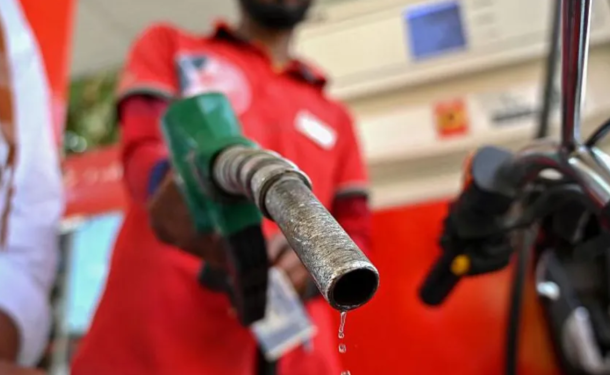
The Institute for Energy Security (IES) has urged the Ghanaian government to intervene immediately after recent increases in petroleum product prices, warning that consumers, transport operators and businesses are facing serious financial pressure.
In a press release issued on 3 August 2026, the energy think tank said the latest upward adjustment in fuel prices was creating significant hardship for households and businesses across the country.
The institute said fuel was an essential input for transportation, commerce, manufacturing and agriculture. It warned that if pump prices continued to rise, the effects would spread throughout the wider economy, with consumers and businesses facing further cost increases.
Among the consequences identified by the IES are higher transport fares, rising food prices and increased production costs. It also warned of renewed inflationary pressure, which would further reduce household purchasing power and add to the difficulties faced by businesses, particularly small and medium-sized enterprises (SMEs).
The IES acknowledged that fuel prices are influenced largely by international crude oil prices, foreign exchange movements and Ghana’s petroleum pricing framework. However, it said the government should not remain passive when external shocks threaten economic stability and the welfare of citizens.
The institute pointed to government action earlier this year as an example of how authorities could respond to the current situation. On that occasion, the government absorbed approximately GH¢2.00 per litre in fuel costs to provide relief for consumers.
“That intervention demonstrated Government’s commitment to protecting Ghanaians from the full impact of petroleum price volatility and underscored the importance of timely policy responses in periods of rising fuel prices,” the statement read.
The IES said current market conditions justified a similar intervention. It called on the government to engage stakeholders urgently and introduce identical relief measures to reduce the effect of the latest price increases.
The institute’s appeal comes as fuel remains central to daily economic activity, with changes at the pump affecting transport, food distribution, manufacturing and agricultural operations. It said the continuing rise in prices risked placing an even heavier burden on households already facing reduced purchasing power.
The pressure on SMEs was also highlighted, with the IES warning that higher operating and production costs could add to the challenges confronting smaller businesses. It said government action was necessary to prevent the effects of fuel price volatility from spreading further through the economy.
The IES maintained that a timely policy response would help protect consumers from bearing the full cost of external market pressures. It therefore urged the government to act quickly and work with relevant stakeholders to limit the impact of the latest increases.
Explore the world of impactful news with CitiNewsroom on WhatsApp.
Click on the link to join the Citi Newsroom channel for curated, meaningful stories tailored just for you: https://whatsapp.com/channel/0029VaCYzPRAYlUPudDDe53x
No spam, just the stories that truly matter. #StayInformed #CitiNewsroom #CNRDigital






Popular News
No trending posts found.