














Ghana’s IMF revenue reforms have not widened tax base, says economist
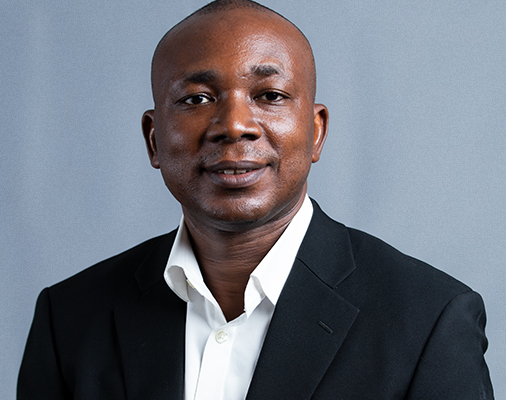
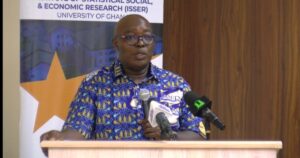
Professor Godfred Alufar Bokpin says Ghana’s International Monetary Fund (IMF)-backed reforms have failed to deliver a significant structural improvement in domestic revenue collection.
The economist has urged the authorities to strengthen tax administration, close loopholes in existing revenue streams and extend the tax net to the informal sector. He also called for less reliance on volatile commodity revenues.
Prof Bokpin made the comments in an interview with the Ghana News Agency on Ghana’s revenue performance under the IMF programme. The interview took place on the sidelines of a public financial management and fiscal decentralisation training session for selected journalists on Monday.
Ghana established the Ghana National Revenue Policy (GNRP) in 2023, with the Medium-Term Revenue Strategy (MTRS) providing the framework for improving the country’s tax-to-GDP ratio.
The Ministry of Finance has said the ratio has remained between 12% and 14% since 2015. However, Prof Bokpin, a professor of Finance at the University of Ghana Business School (UGBS), said the ratio averaged 14% during the implementation of the recently concluded US$3bn IMF-loan-supported programme.
The programme was intended, in part, to help Ghana close the gap in domestic revenue collection.
Revenue measures introduced under the programme were expected to generate about GHS268.1bn by the end of the year. Ministry of Finance figures for the first quarter showed that GHS57.53bn had been mobilised, slightly below the target.
Prof Bokpin said the performance indicated that the reforms had not materially strengthened Ghana’s revenue base, despite several years of policy changes guided by the IMF.
He said the country’s overall revenue envelope had not improved significantly under the IMF-inspired reforms.
“we have gold-backed foreign exchange sitting with a central bank; therefore, we are not exposed to foreign exchange fluctuations, but Ghana needs money.”
The economist also warned that political changes were harming businesses and weakening the tax base. He said some companies were treated as inactive when a change of government brought a different political party to power.
“Businesses rise and fall with politics, but we must move away from that. A stable, growing indigenous business base from micro to small to medium to large is the only way to sustainably widen the tax net. If businesses are constantly collapsing due to politics, the tax base can’t grow,” the Economist explained.
His comments come as the government continues to seek more dependable sources of domestic funding.
Dr Cassiel Ato Baah Forson, the Minister of Finance, said during his mid-year budget review presentation last month that domestic revenue had reached 7.7% of GDP by June 2026, against a target of 7.8% of GDP.
Dr Forson said improved policy, stronger compliance and more effective administration would provide more sustainable revenue than simply increasing taxes.
He pointed to the introduction of AI-powered customs reforms, which he said had helped increase Customs revenue by approximately 15%.



Popular News
No trending posts found.