
Rice producers alarmed over GHc5bn glut of unsold local produce
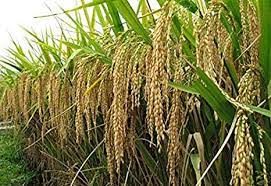
The Association of Ghana Rice Producers and Processors has raised alarm over an estimated one million metric tonnes of unsold paddy rice on the local market, warning that the situation threatens the sustainability of the sector.
The surplus, valued at about GH¢5 billion, has been attributed to a severe shortage of buyers, leaving farmers and processors struggling to offload their produce.
Speaking to the Business & Financial Times at a World Bank Civil Society Organisation engagement on food security, an executive member of the Association, Dr. Terence Adda-Balinia, blamed the crisis on the failure of state procurement systems to prioritise locally produced rice.
He alleged that the National Food Buffer Stock Company (NAFCO) has not adhered to directives to purchase rice from local farmers, worsening the situation.
According to him, the glut has forced several rice millers to suspend operations, as the domestic market becomes saturated with cheaper, smuggled rice.
“Over one million farmers are overwhelmed by huge losses, and the situation poses a serious threat to the sustainability of the local rice industry. It also raises the risk of rising unemployment in the sector,” he said.
Ghana currently imports about 60 percent of its rice needs, spending more than US$500 million annually. Industry players note that imported rice is often cheaper, better packaged, and more attractive to consumers, making it more competitive than locally produced rice.
However, they argue that the high volume of imports is significantly reducing demand for domestic production.
The Association also identified weak marketing and distribution systems, low farm-gate prices, and high production costs as additional challenges affecting the sector.
To address the crisis, producers and processors are calling on government to implement measures that will protect the local market and guarantee demand for domestic rice.
Key proposals include a temporary six-month moratorium on rice imports to allow existing local stocks to be cleared, as well as the introduction of a transparent import quota system to ensure imports only cover supply shortfalls.
They also urged the Ghana Revenue Authority and security agencies to intensify efforts to curb rice smuggling, which continues to undermine the local market.
Additionally, the group is advocating for a policy directive requiring public institutions—including those under the National Disaster Management Organisation (NADMO), as well as schools, hospitals, and prisons—to procure locally produced rice.
The Association further called on state agencies such as NAFCO and NADMO to source rice directly from local producers and establish a system to link government institutions with domestic suppliers.
To support farmers and processors, the group proposed the introduction of minimum farm-gate prices and the creation of a dedicated financing facility to provide low-interest loans to rice millers, particularly during harvest seasons.
Industry stakeholders say these interventions are crucial to sustaining growth in the sector, improving farmer incomes, and reducing Ghana’s dependence on rice imports.






Popular News
No trending posts found.