
FDA reveals why banned tsofi keeps slipping through Ghana’s borders
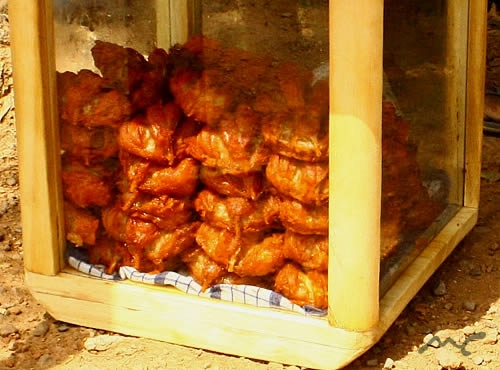
The Food and Drugs Authority has shed light on the persistent challenge of keeping turkey tail — locally known as tsofi — off Ghana’s markets, more than two decades after the product was officially banned.
The FDA banned turkey tail in 1999 owing to its high fat content and the associated health risks, which authorities say include obesity, hypertension, and heart disease. Despite the longstanding prohibition, the product continues to surface in markets and cold stores across the country, drawing renewed concern from regulators.
Speaking to Citi News, Deputy Chief Executive of the FDA’s Food Division, Roderick Kwabena Daddey-Adjei, explained that the product’s persistence on the market is largely due to the cunning methods used to smuggle it into the country.
Importers, he said, routinely conceal turkey tail within consignments of other frozen food items, making detection during routine inspections extremely difficult.
He noted that inspection officers are unable to conduct exhaustive checks on every item within a consignment and instead rely on sampling, which creates room for the banned product to slip through undetected.
“When we are doing inspections, it is not like a 100 percent check. You sample, then pick, and then look at it,” he explained.
To address the problem, the FDA said it is stepping up what it described as side verification inspections targeting importers of frozen products, in a bid to intercept contraband more effectively at the country’s entry points.
The authority acknowledged that some smugglers also exploit unapproved entry routes, further complicating enforcement efforts. It assured the public that surveillance and inspection activities would be intensified to curb the continued illegal importation of the banned product.














Comments (0)