
Akosombo substation fire could have been prevented – ASEC
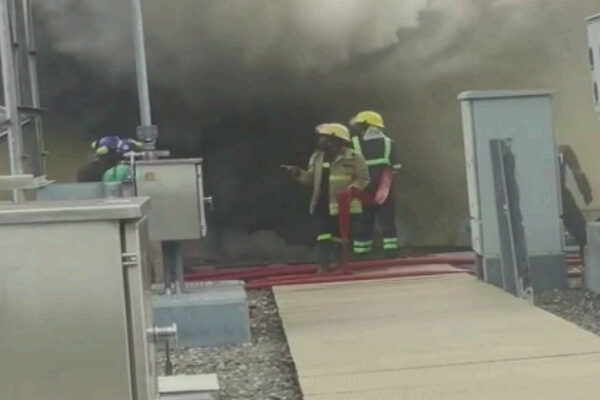
The Africa Sustainable Energy Centre (ASEC) has described the recent fire outbreak at the Akosombo Substation as a preventable incident, blaming it on engineering and structural failures rather than unavoidable circumstances.
The organisation’s comments follow the release of an investigation report which concluded that the fire resulted from insulation failure associated with ageing infrastructure, dismissing earlier suspicions of sabotage.
In a statement issued on Friday, June 12, 2026, ASEC said the incident exposed significant vulnerabilities within Ghana’s power transmission network and underscored the urgent need for comprehensive infrastructure reforms.
“The lessons from Akosombo are clear. We must move beyond reactive maintenance and embrace predictive technologies. We must improve protection coordination, strengthen fire suppression capabilities, and introduce robust redundancy across the grid. The reliability of Ghana’s power system depends on it,” the Centre stated.
According to ASEC, the investigation identified several technical shortcomings that contributed to the fire, highlighting weaknesses that must be addressed to improve the resilience and reliability of the national electricity grid.
One of the key recommendations from the Centre is the adoption of Infrared (IR) thermographic inspections as a routine maintenance practice across substations, transformers and cable systems. ASEC explained that the technology can help detect overheating, insulation degradation, overloaded circuits and loose electrical connections before they develop into major faults.
The Centre also called for the installation of modern fire detection and automatic fire suppression systems at critical transmission facilities nationwide.
ASEC noted that the rapid spread of the fire pointed to shortcomings in existing fire response mechanisms and stressed that modern substations should be equipped to detect and suppress fires within seconds to minimise equipment damage and power disruptions.
The energy policy think tank further urged the Ghana Grid Company (GRIDCo) and other stakeholders to strengthen redundancy measures within the power transmission system. It said backup protection systems, alternative transmission routes, secondary power supplies and emergency control facilities are crucial in preventing localised faults from escalating into nationwide power crises.
In addition, ASEC advocated a transition from reactive maintenance to predictive maintenance strategies supported by advanced technologies, including artificial intelligence, thermal imaging analytics, condition monitoring systems and asset health management platforms.
The organisation warned that ageing infrastructure continues to pose a major threat to Ghana’s electricity network and called for proactive interventions to address deteriorating assets before they fail.
ASEC also raised concerns about the protection systems at the Akosombo Substation, citing findings that one transformer continued feeding the fault after another transformer had already tripped.
According to the Centre, the incident points to weaknesses in protection coordination and fault isolation mechanisms.
“No transmission system should allow a fault to continue feeding unchecked due to inadequate protection coordination,” it stressed.
The Centre urged authorities to treat the incident as a wake-up call and use it as an opportunity to modernise maintenance practices, strengthen fire safety protocols, and build a more resilient, reliable and future-ready power system for Ghana.






Popular News
No trending posts found.