
EPA defends Styrofoam ban, cites Health and environmental risks
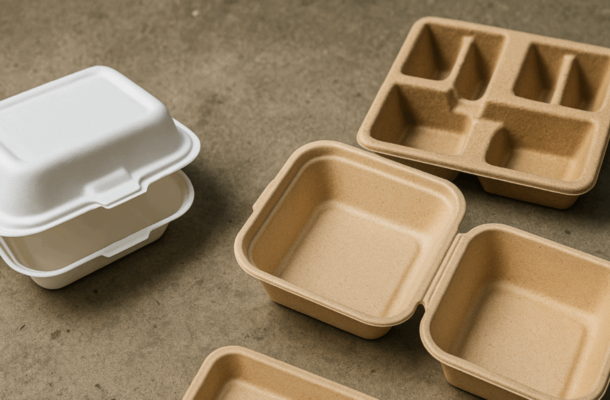
The Environmental Protection Authority (EPA) has justified the government’s decision to prohibit the use of Styrofoam takeaway containers, describing the move as a necessary step to protect public health and address Ghana’s worsening plastic waste problem.
The ban, which covers the production, importation, distribution, sale and use of polystyrene foam products commonly referred to as Styrofoam, is set to take effect nationwide on January 1, 2027.
According to the EPA, the decision is backed by years of scientific research indicating that Styrofoam food containers can pose serious health risks, especially when used to package hot, oily or acidic foods.
Speaking on Channel One TV’s Breakfast Daily programme, the EPA’s Director of Human Settlements, Hope Smith Lomotey, said the policy is not intended to end the use of takeaway food packaging but rather to promote safer and more environmentally sustainable alternatives.
Mr Lomotey explained that Styrofoam releases harmful chemical substances when exposed to heat or when it comes into contact with foods containing oil or acid, making it unsuitable for everyday food packaging.
“Anytime heat gets in contact with this Styrofoam, it releases chemicals that are harmful to human beings. Immediately oily foods get in contact with it, it releases these toxins, and acidic foods also cause it to release a lot of toxins that are not good for our health,” he stated.
He noted that commonly consumed foods and beverages such as kenkey, instant noodles, shito, citrus fruits and acidic drinks are among products that can trigger the release of these potentially harmful substances.
Mr Lomotey stressed that the government’s action is based on established scientific findings and not merely a precautionary measure. He argued that the health implications associated with continued Styrofoam use have become too significant to overlook.
Beyond public health concerns, he highlighted the growing environmental damage caused by discarded Styrofoam products. According to him, large quantities of the material frequently end up in drains, rivers, beaches and the ocean, contributing to flooding, pollution and challenges for fishing communities.
He said fishermen regularly encounter plastic waste and Styrofoam while at sea, illustrating the scale of the environmental problem.
“For human health, it’s not safe. Public health is not safe. Environmentally, we are seeing it in our drains and in the sea. Our fishermen go to sea and harvest some of these plastics and Styrofoam. I think we have all reached a point that we have agreed that enough of the problem is enough,” he added.
The EPA believes the transition to alternative packaging materials will significantly reduce plastic pollution while protecting consumers from potential health hazards. The Authority maintains that the ban will support a cleaner environment without disrupting the operations of the takeaway food industry.






Popular News
No trending posts found.