
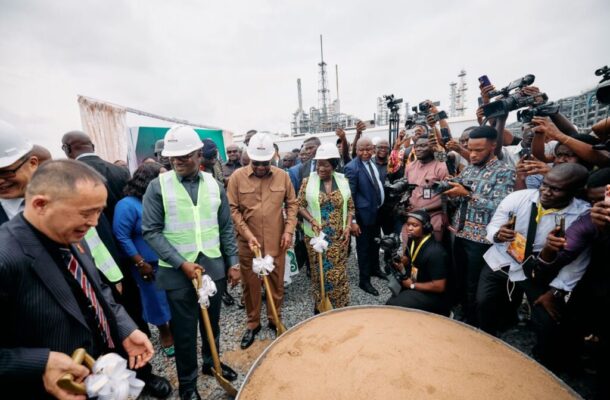
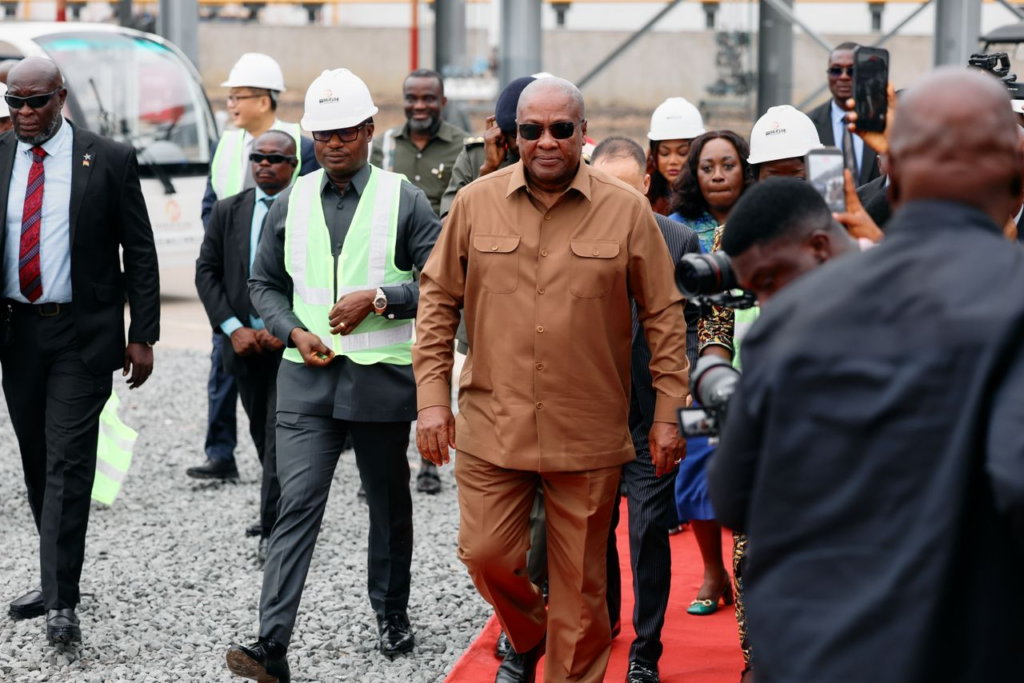
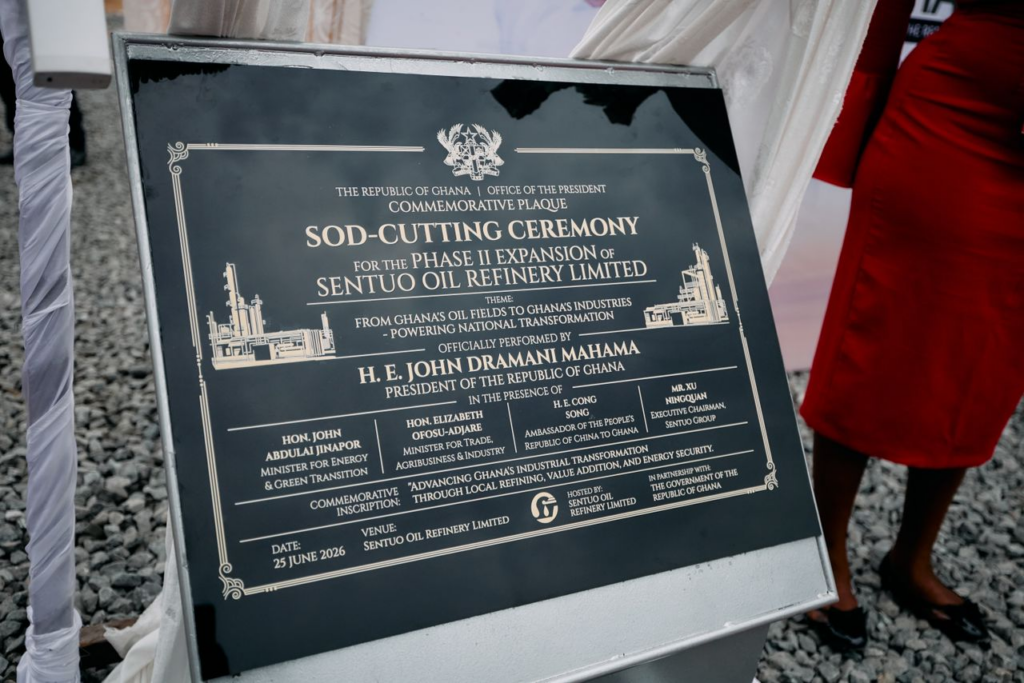
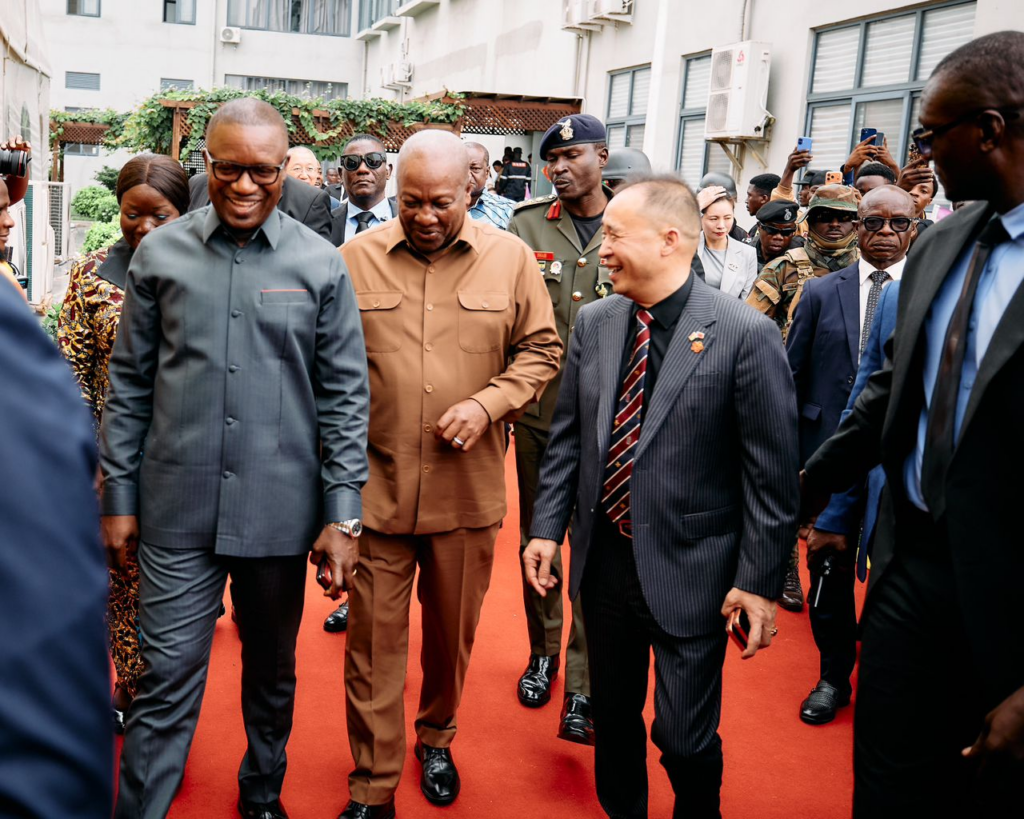
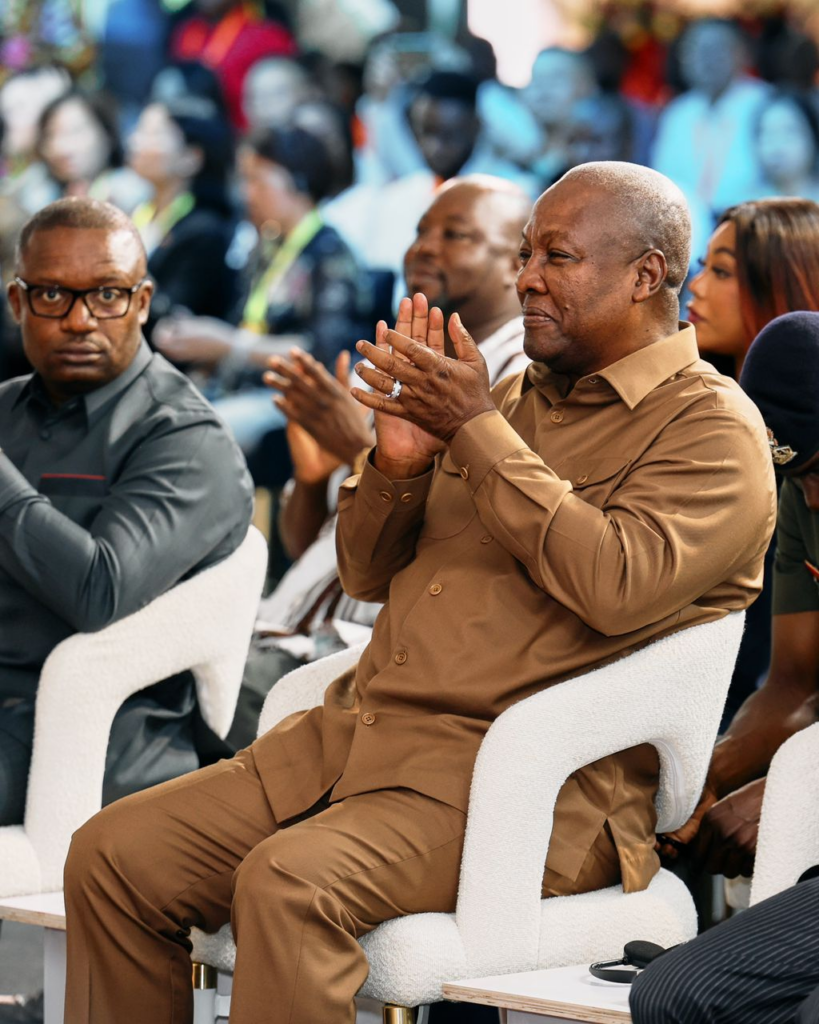
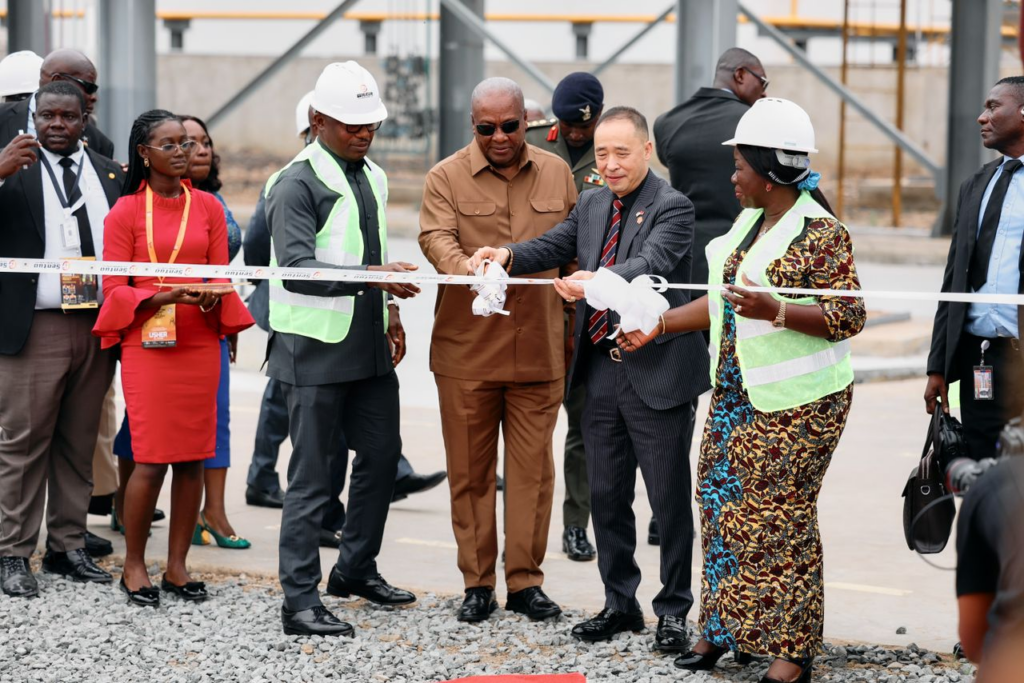
President John Dramani Mahama has officially cut the sod for the commencement of Phase II of the Sentuo Oil Refinery project, a major investment expected to significantly increase Ghana’s petroleum refining capacity, create jobs and enhance the country’s energy security.
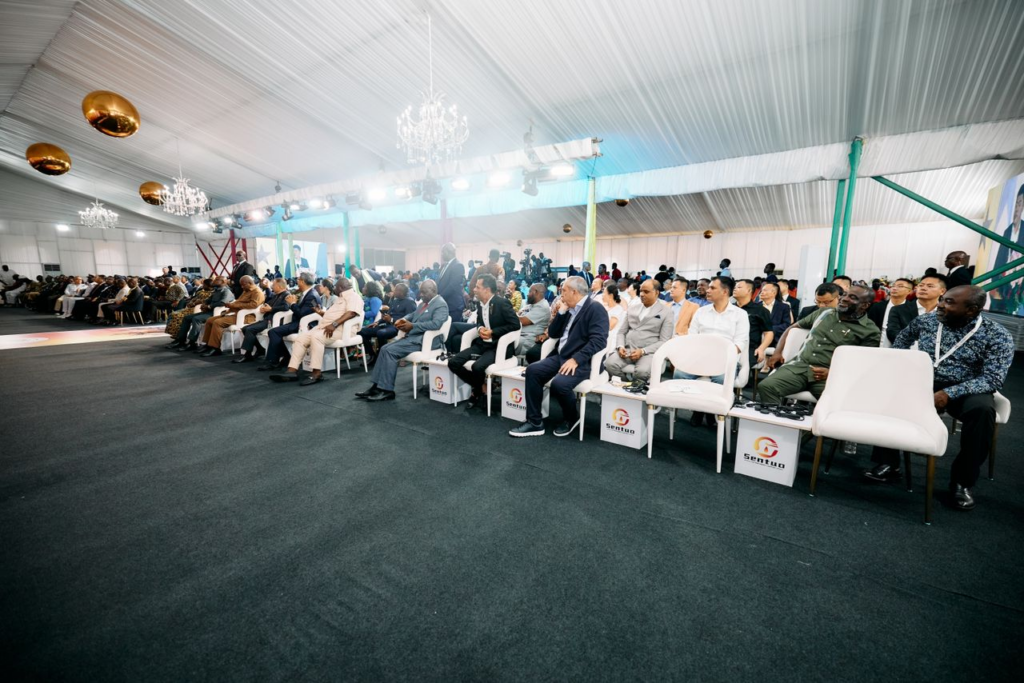
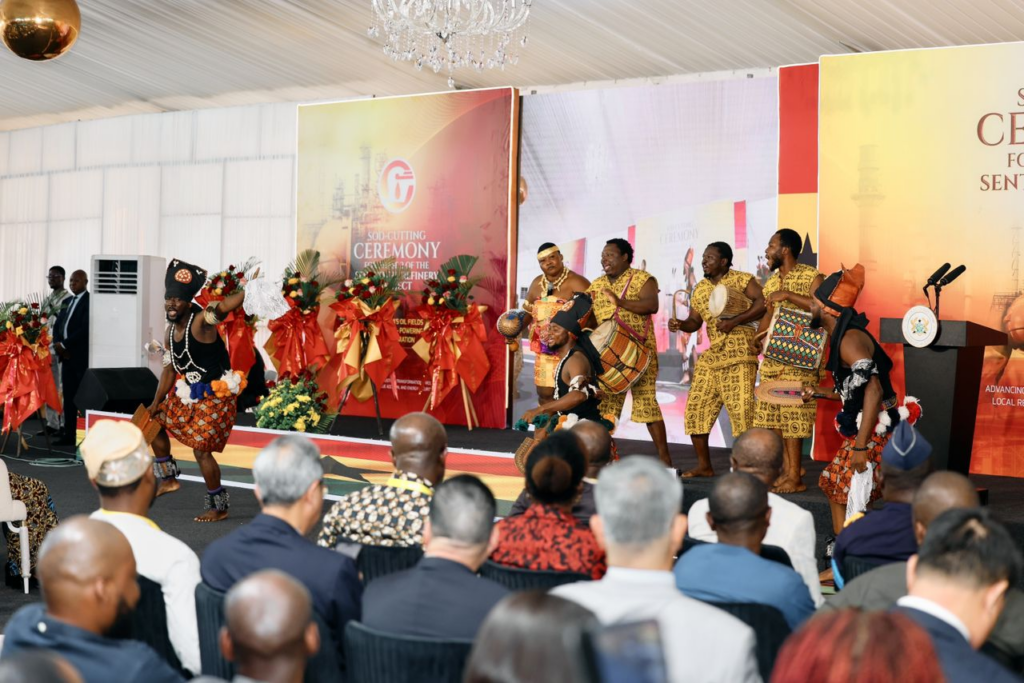
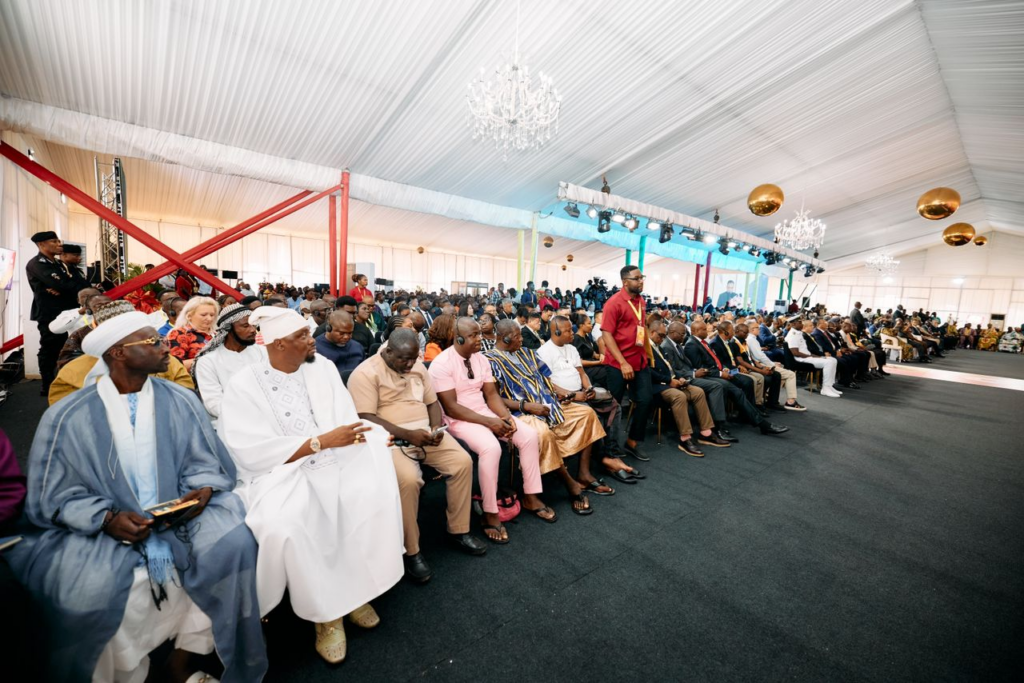
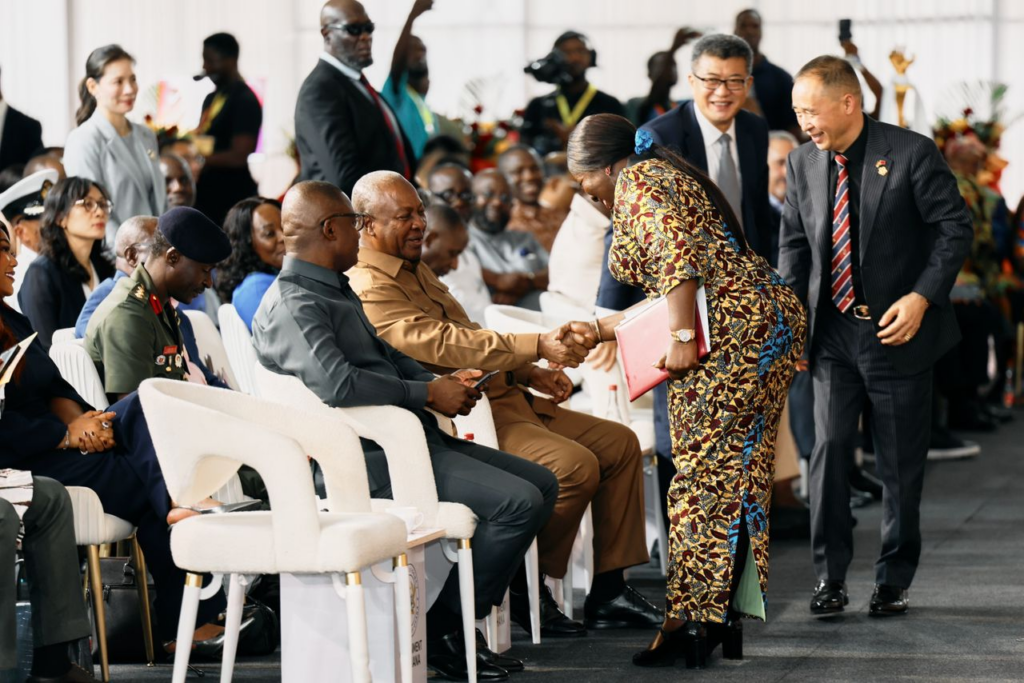
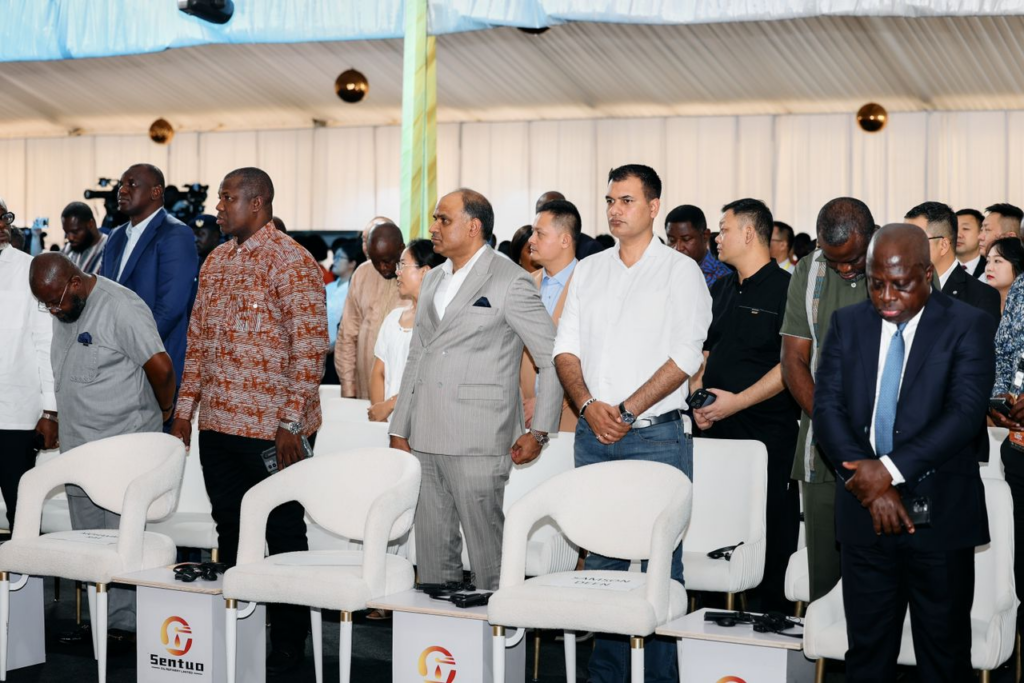
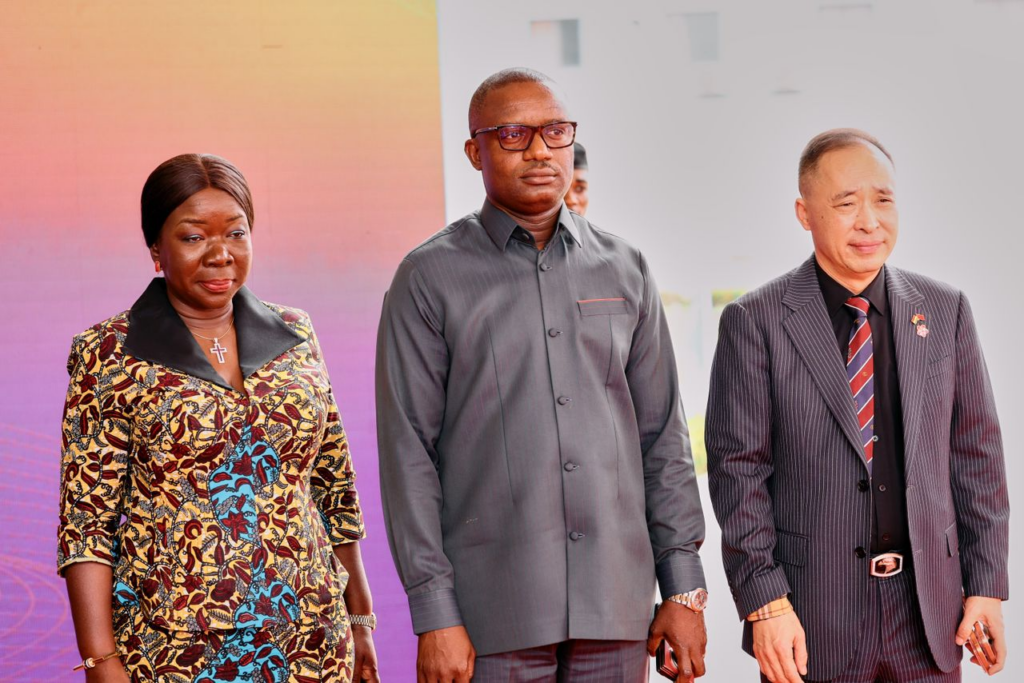
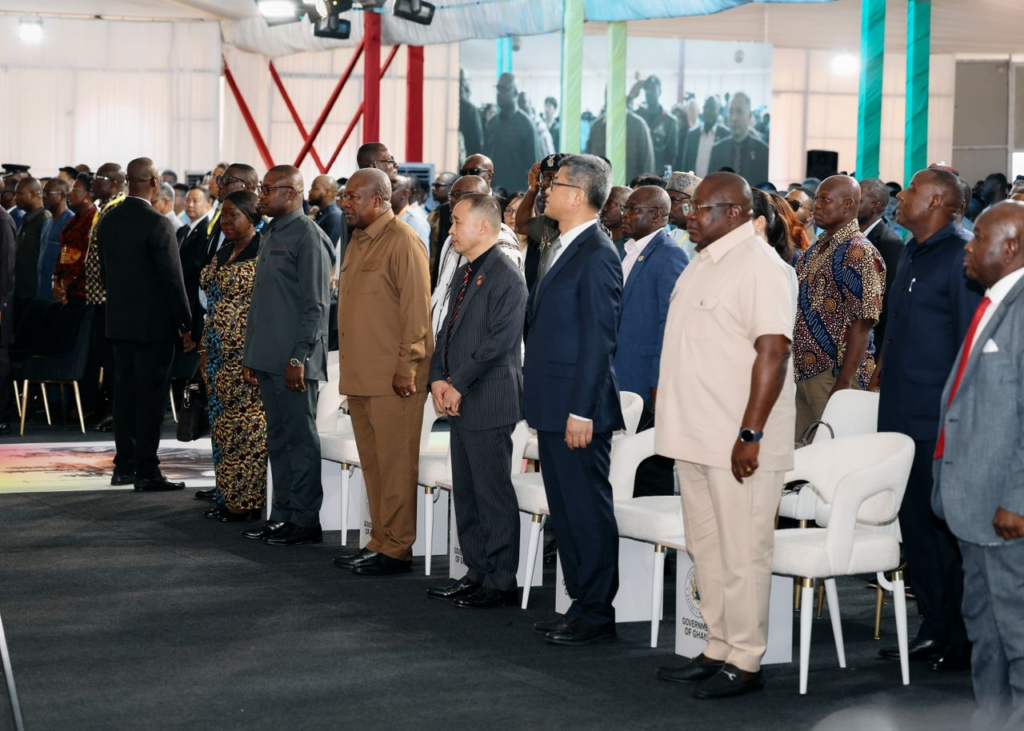
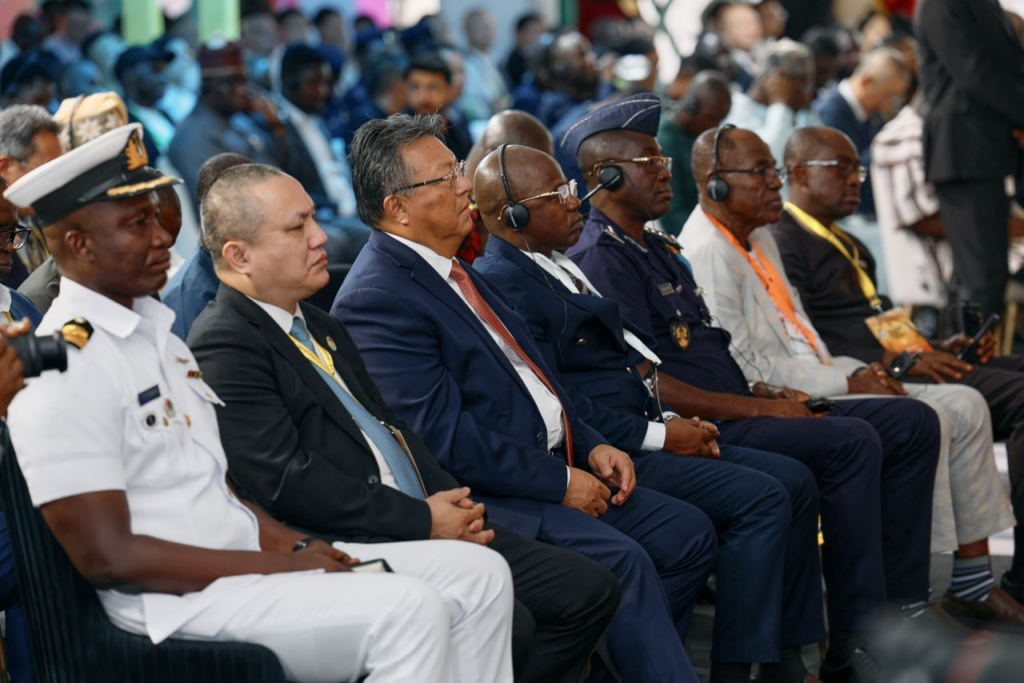
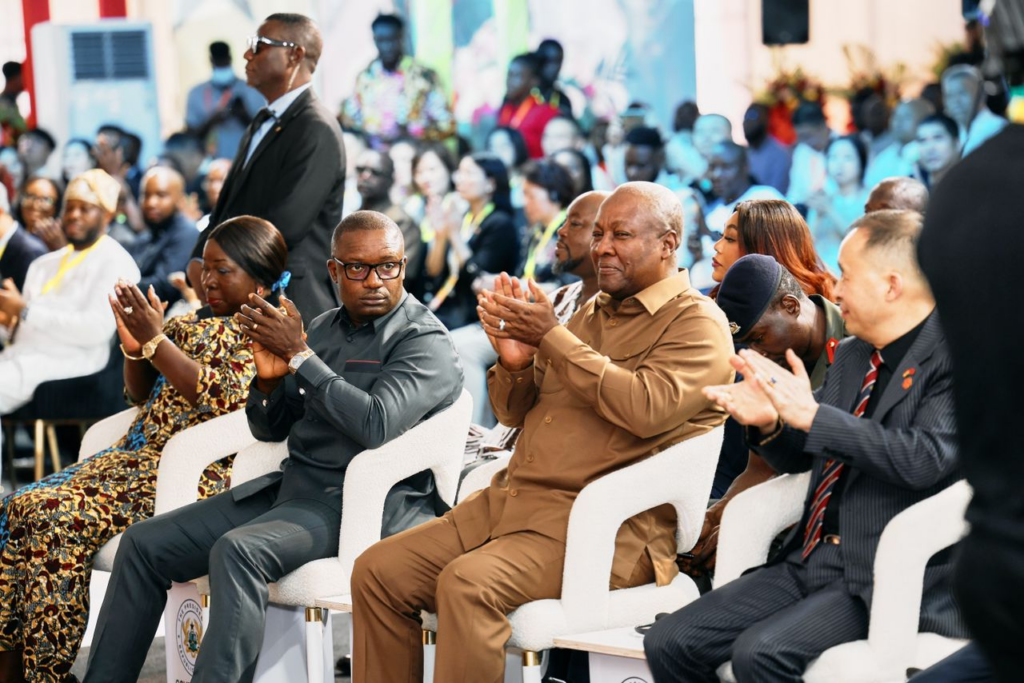
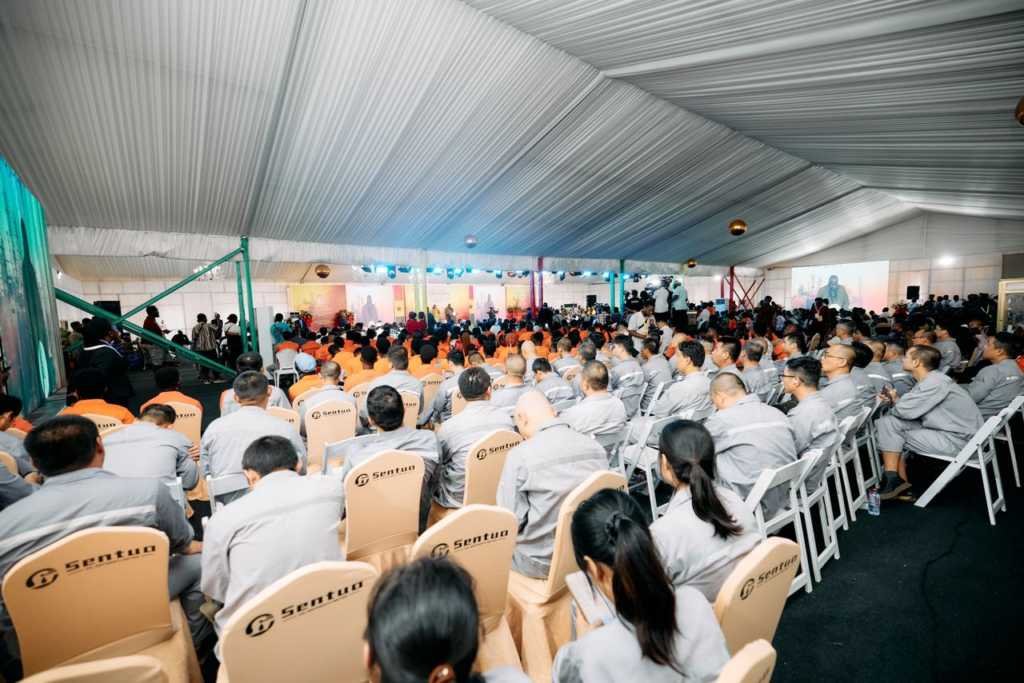
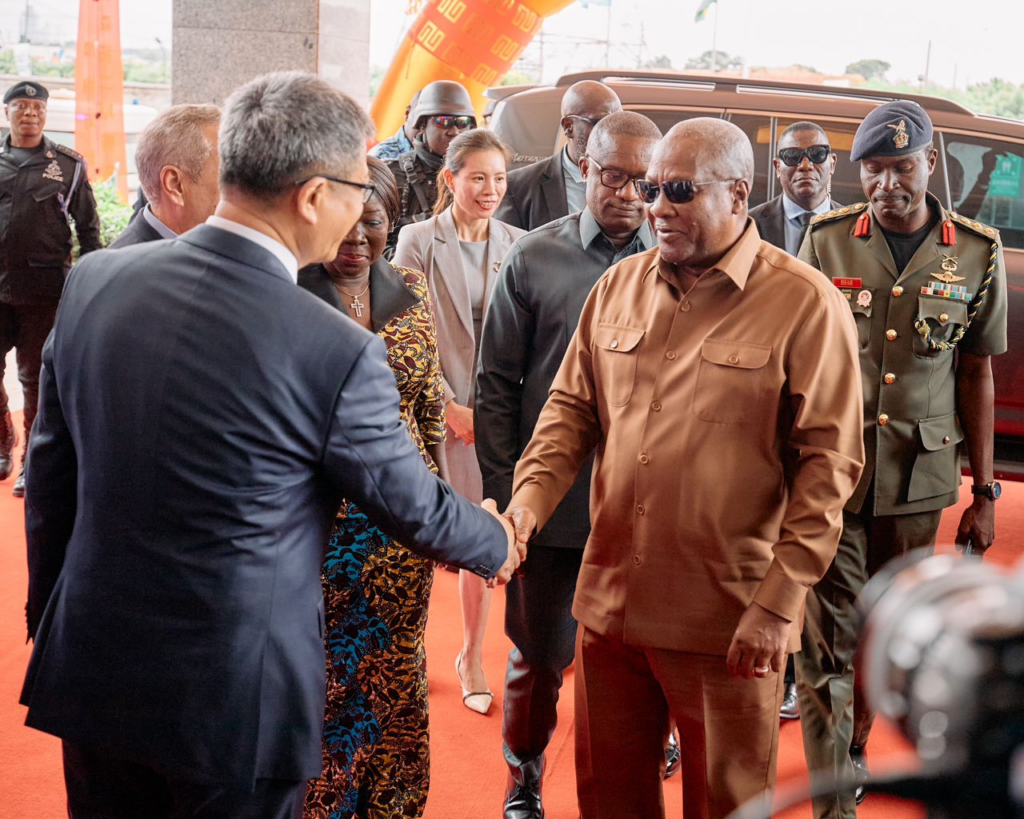
The sod-cutting ceremony took place on Thursday, June 25, 2026, at the refinery’s premises and brought together key government officials, industry stakeholders and diplomatic representatives. Among those present were the Minister for Energy and Green Transition, John Abdulai Jinapor; the Minister for Trade, Agribusiness and Industry, Elizabeth Ofosu-Adjare; China’s Ambassador to Ghana, Cong Song; and the Executive Chairman of Sentuo Oil Refinery, Xu Ningquan.
The expansion project is expected to raise the refinery’s processing capacity from 40,000 barrels per day to 100,000 barrels per day, strengthening Ghana’s position as a major petroleum refining centre in West Africa and the Sahel region.
Addressing participants at the event, Energy Minister John Abdulai Jinapor described the project as a significant step in Ghana’s efforts to maximise value from its petroleum resources while driving industrialisation and economic growth.
He noted that the refinery’s expansion would generate substantial employment opportunities for Ghanaians across various sectors.
“More importantly, we are creating jobs. From my discussion with the chairman, the employment level will move from about 700 or 800 to 1,500 upon completion of this refinery,” Mr Jinapor said.
According to him, the initiative aligns with the government’s broader strategy of strengthening the energy sector, promoting local value addition and building a more resilient economy.
Executive Chairman of Sentuo Oil Refinery, Xu Ningquan, also described the launch of Phase II as a landmark moment in Ghana’s industrial journey.
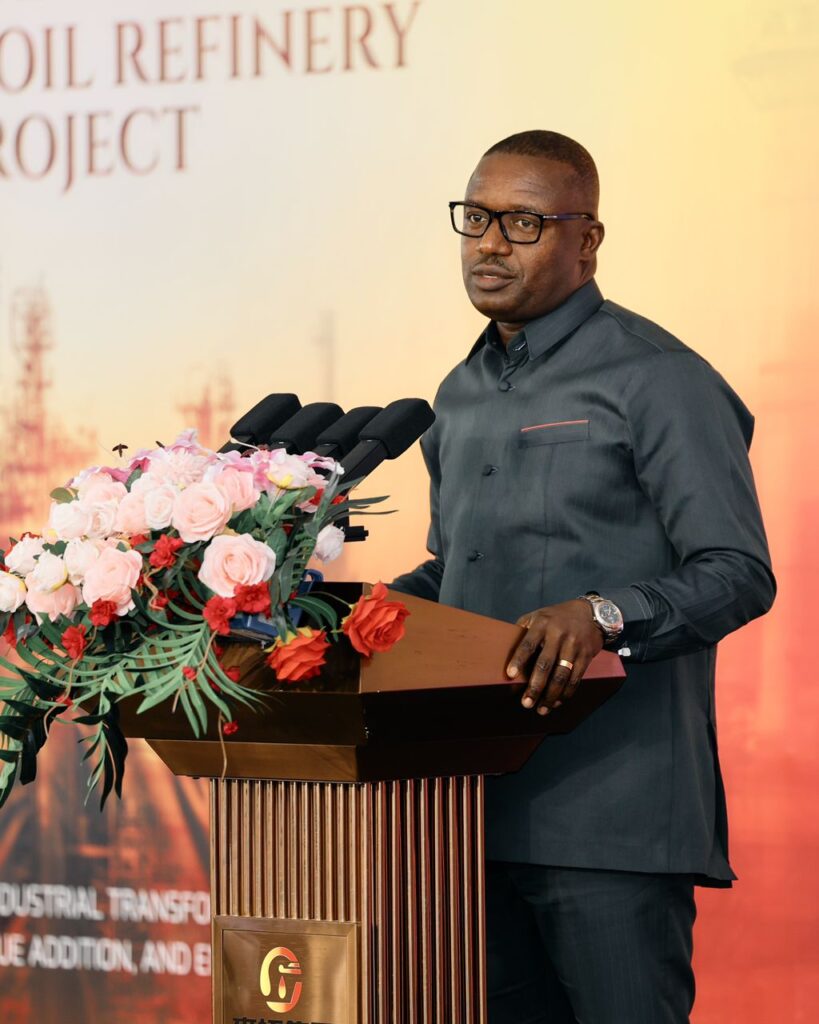
He stated that the project represents a shift from the export of raw resources toward domestic processing and value creation, which will contribute significantly to national development.
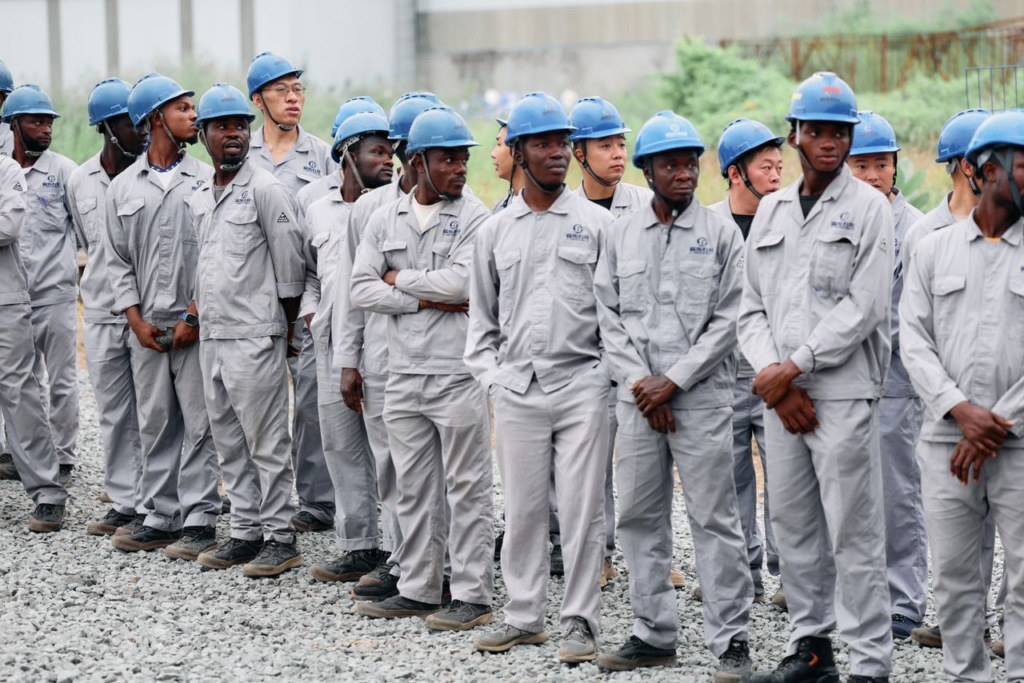
Mr Xu explained that the expanded refinery would increase fuel production capacity while creating thousands of direct and indirect jobs in areas such as engineering, construction, transportation, logistics and petroleum-related services.
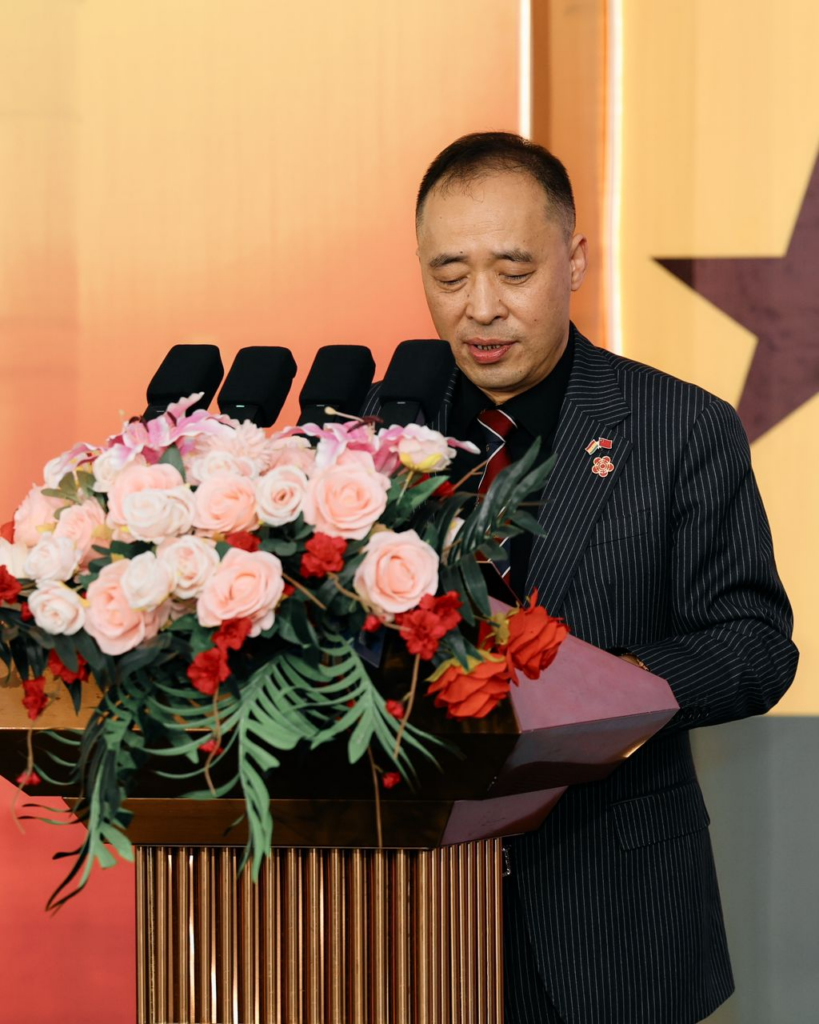
He added that the project would help reduce Ghana’s reliance on imported refined petroleum products, improve energy security and support the country’s long-term economic transformation agenda.
The Phase II expansion forms part of wider efforts to establish Ghana as a strategic energy and industrial hub within the sub-region, while attracting additional investment into the downstream petroleum industry.
Once completed, the project is expected to play a vital role in enhancing fuel availability, supporting industrial growth and strengthening Ghana’s position in the regional energy market.






Popular News
No trending posts found.