
IFC endorses BoG’s sustainable finance roadmap
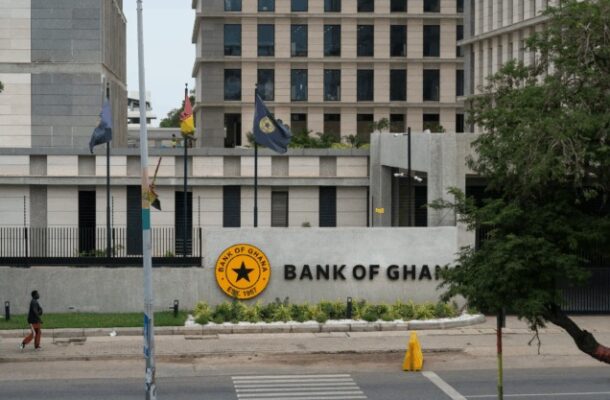
The International Finance Corporation (IFC) has thrown its support behind the Bank of Ghana’s newly launched Sustainable Finance Roadmap, describing it as a transformative framework capable of strengthening the country’s financial sector against climate-related risks while attracting long-term investment.
Despite its endorsement, the IFC stressed that the roadmap’s success will ultimately depend on effective implementation and sustained commitment from all stakeholders.
Speaking at the launch of the roadmap in Accra, the IFC’s Division Director for West Africa and the Gulf of Guinea, Nathalie Kouassi Akon, said the initiative represents a significant milestone in aligning Ghana’s financial system with global sustainability standards and the country’s long-term development agenda.
She explained that the roadmap provides a comprehensive strategy for integrating environmental, social and climate-related considerations into decision-making across the banking, insurance, capital markets and pensions sectors.
According to Ms Akon, the roadmap is more than a policy document, serving as a practical framework for improving the management of climate and sustainability risks while unlocking financing opportunities for national development priorities, including job creation.
“The full implementation of this roadmap will be the next frontier. It will require sustained capacity building, innovative financial products, and an unwavering commitment to transparency and accountability,” she said.
She observed that financial regulators around the world are increasingly requiring banks and other financial institutions to incorporate climate-related risks into lending, investment and governance decisions, as investors place greater emphasis on sustainable business practices amid rising climate challenges and global economic uncertainties.
Ms Akon noted that sustainability has become a critical factor in ensuring business resilience and competitiveness, rather than simply a policy aspiration.
She added that integrating environmental, social and climate risks into financial decision-making would enable institutions to better manage emerging risks, identify new investment opportunities and direct capital toward sustainable economic activities.
The IFC executive also commended the Bank of Ghana for spearheading the development of the roadmap, describing the initiative as a major achievement that required strong institutional coordination and collaboration.
She further praised the contributions of the Ministry of Finance, the Securities and Exchange Commission, the National Insurance Commission, the National Pensions Regulatory Authority, the Institute of Chartered Accountants Ghana and the Chartered Institute of Bankers, Ghana, noting that their collective efforts have laid a solid foundation for building a more resilient and sustainable financial system.
The roadmap was developed with support from the IFC through its Integrated Environmental, Social and Governance Advisory Programme in Ghana, funded by the Swiss State Secretariat for Economic Affairs (SECO).
Technical assistance was also provided through the IFC’s Sustainable Banking and Finance Network to ensure the framework aligns with international best practices while addressing Ghana’s specific development needs.
Ms Akon reaffirmed the IFC’s commitment to working closely with Ghana’s regulators, financial institutions and the Ghana Stock Exchange to advance the integration of environmental, social and governance principles into business operations and investment decisions.
She expressed confidence that continued collaboration between regulators, the private sector and development partners would help position Ghana as a regional leader in sustainable finance while promoting inclusive, resilient and environmentally sustainable economic growth.





Popular News
No trending posts found.