





Ghana gives GoldBod GH¢5bn as Bank of Ghana ends gold-buying role
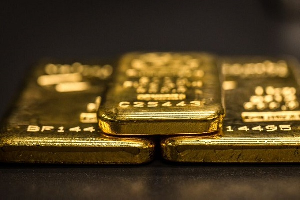
The Ghanaian government has allocated GH¢5 billion (about $429m) to the Ghana Gold Board (GoldBod) to buy gold from artisanal and small-scale miners under the revised 2026 Budget.
The funding is part of a major restructuring of the country’s gold-purchasing system, with GoldBod taking over responsibilities previously handled by the Bank of Ghana (BoG).
The change follows concerns from the International Monetary Fund (IMF) about the central bank’s participation in gold purchases. The IMF said the arrangement had “quasi-fiscal characteristics” and risked weakening the autonomy of the central bank.
The IMF called for the programme to be ended and for responsibility for buying gold to be transferred to GoldBod.
Under the new system, GoldBod will use the GH¢5bn allocation to purchase gold directly from artisanal and small-scale miners. The government says the move is intended to keep more gold revenue within formal channels and connect proceeds from the sector more directly to fiscal operations.
The restructuring comes after substantial losses were recorded under the BoG’s gold-buying programme. Losses reached about GH¢9bn in the most recent year, compared with GH¢5.7bn the year before.
Those losses, along with concerns about the programme’s quasi-fiscal role, increased pressure on the government to separate the BoG’s core monetary policy responsibilities from activities regarded as fiscal in nature.
To help shield its fiscal targets from the cost of the redesigned arrangement, the government has reduced planned capital expenditure in the revised budget from GH¢57.5bn to GH¢52.5bn.
Operating expenses for the gold-buying programme have also been lowered. They will now be limited to 5% of the value of gold purchased, down from 14.5%.
The revised 2026 Budget forecasts a fiscal deficit equivalent to 2.2% of Gross Domestic Product (GDP), compared with 1% in 2025.
Gold has assumed a greater role in Ghana’s economic recovery after the country’s debt crisis and sovereign default. Record production and official gold sales have helped rebuild foreign exchange reserves and support the stability of the cedi.
The cedi rose by 41% against the US dollar in 2025, placing it among the world’s best-performing currencies, although it has since given up some of those gains.
Inflation has also fallen sharply, dropping to 5.3% in June 2026 from 23.8% in December 2024. That decline has allowed the BoG to cut its benchmark policy rate from 29% to 14%.
As part of the new arrangement, GoldBod will hold periodic dollar auctions in the foreign exchange market. The BoG will intervene only when necessary to influence currency-market conditions.
The restructuring is designed to establish a clearer division between fiscal and monetary responsibilities as Ghana works to restore investor confidence and strengthen its economic recovery.






Popular News
No trending posts found.