















Government to cut diesel prices by GH¢2 per litre from Tuesday
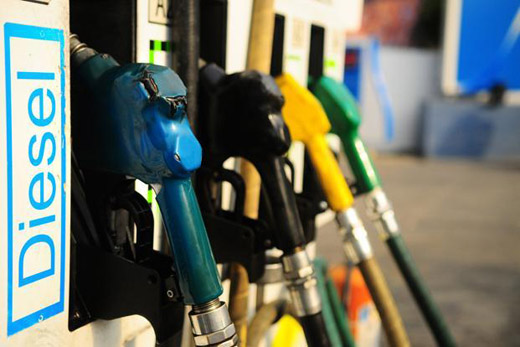
Government is set to absorb GH¢2 per litre of the cost of diesel from Tuesday, 4 August 2026, in a move aimed at protecting consumers from rising fuel prices.
The support will apply only to diesel, with no similar intervention planned for petrol.
It will be the second time the government has stepped in to ease the impact of rising fuel prices. The latest increases have been driven by higher international petroleum prices, linked to tensions in the Middle East, as well as continued pressure on the cedi.
Diesel prices are approaching GH¢20 per litre at some fuel stations, while petrol has risen above GH¢15 per litre at several outlets after Oil Marketing Companies increased prices during the first pricing window of August.
The increases are already adding to the costs faced by transport operators and businesses that rely heavily on road transport. They are also expected to create further pressure on transport fares, logistics charges and the prices of goods and services.
Star Oil has adjusted its prices twice since the beginning of the current pricing window. Petrol is now selling at GH¢15.57 per litre, compared with GH¢14.53 at the start of the window. Diesel has risen to GH¢18.97 per litre from GH¢18.77.
The Oil Marketing Company said the changes reflected movements in international petroleum product prices, the prevailing exchange rate and the latest adjustment to the National Petroleum Authority’s price floor.
Prices vary across the major fuel retailers.
At state-owned GOIL outlets, petrol is being sold at GH¢15.99 per litre, while diesel costs GH¢19.26. Super XP 95 is priced at GH¢17.30 per litre.
Shell outlets are selling petrol at GH¢16.29 per litre and diesel at GH¢19.49.
At TotalEnergies, petrol costs GH¢14.99 per litre, with diesel priced at GH¢17.98.
The upward revisions have increased costs for motorists and commercial transport operators. Companies dependent on road haulage and other forms of road transportation are also facing higher operating expenses.
For households, the main concern is that increased fuel and logistics costs could be passed on through higher transport fares and more expensive goods and services.
The impact of the government’s intervention will depend on how much of the diesel subsidy is reflected in pump prices and how long the measure remains in place.
International crude oil and refined petroleum product prices remain elevated, while pressure on the cedi continues. As a result, fuel prices may remain under strain in future pricing windows if current conditions in global markets persist.






Popular News
No trending posts found.