
Ghana AIDS Commission Launches Youth Desk to Bring Young People Into HIV Policy and Programming
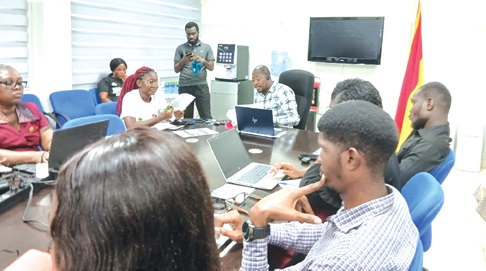
The Ghana AIDS Commission has taken a significant step toward addressing the growing contribution of young people to new HIV infections in the country, establishing a dedicated Youth Desk designed to ensure that the voices, perspectives and experiences of young Ghanaians are embedded into the heart of HIV policy formulation and programme design.
The specialised desk will be staffed by a youth desk coordinator, two representatives from youth-led organisations and two technical support personnel from the commission.
Its core mandate will be to strengthen youth participation in HIV programming and policy, promote youth-friendly prevention, treatment, care and support services, and serve as a formal bridge between young people and the commission.
The desk was unveiled at a maiden stakeholder meeting with youth-focused groups and organisations convened to deliberate on the desk’s terms of reference.
Speaking at the event, Ghana AIDS Commission Director General Dr Kharmacelle Prosper Akanbong — whose address was delivered on his behalf — acknowledged that the rising share of HIV infections attributable to young people had not always received the attention it deserved.
He revealed that while the absolute numbers may not yet be alarming, the proportion of new infections involving young people has been climbing steadily — from around 20 to 25 percent in previous years to between 30 and 31 percent currently — a trend he described as concerning given the scale of interventions already in place.
“Probably, we are missing a little aspect of the whole gig — their perspective and contribution to the reason why this initiative was brought on board,” he said, pointing to the absence of structured youth input as a gap the new desk is intended to fill.
Dr Akanbong also walked stakeholders through key documents developed by the commission, including a youth framework designed to guide the implementation of HIV-related activities among young people and provide direction for organisations working in the HIV space.
He stressed that young people are disproportionately affected by HIV and face a broad range of sexual and reproductive health challenges, making their active involvement in prevention, advocacy and service delivery not just desirable but essential.
“We do not discount your contribution at all, and we think that there should be a structured platform to help us integrate youth perspectives into all that we do. That is why we have thought of this Youth Desk. So, we are strengthening youth participation in HIV programming,” he said.















Comments (0)