
IMF urges Ghana to reform Cocobod for long-term sustainability
The International Monetary Fund (IMF) has called on Ghana to strengthen the legislative framework governing the Ghana Cocoa Board (Cocobod) in order to reduce operational costs, improve efficiency, and ensure the long-term sustainability of the cocoa sector.
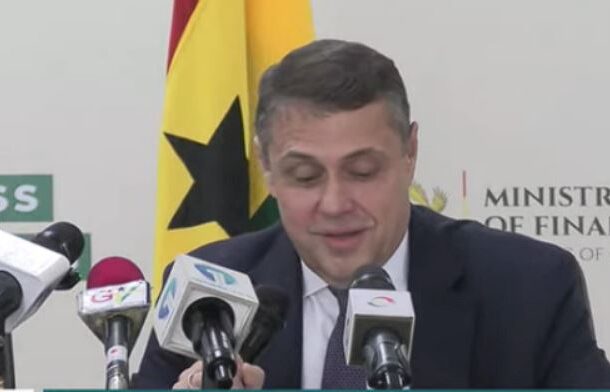
The recommendation was contained in a statement issued by an IMF staff team led by Ruben Atoyan following a mission to Accra from April 29 to May 15. The mission focused on Ghana’s 2026 Article IV consultation, the sixth and final review of the Extended Credit Facility (ECF) programme, and the government’s request for a non-financing Policy Coordination Instrument (PCI).
According to the IMF, priority should be given to reforms that streamline operational costs within Cocobod, including the implementation of more frequent farmgate price adjustments to better reflect prevailing market conditions.
The Fund said such reforms are necessary to improve efficiency in Ghana’s cocoa sector and strengthen Cocobod’s financial position amid rising operational and financing pressures.
“Priority should be given to strengthening the legislative framework to streamline costs, including through more frequent farmgate price adjustments, improve efficiency, and ensure Cocobod’s long-term financial sustainability,” Ruben Atoyan stated.
The recommendation comes at a time when Ghana’s cocoa industry continues to face major challenges, including delays in cocoa payments to farmers, which recently prompted government-led reforms within the sector.
Cocoa remains one of Ghana’s leading foreign exchange earners and a major source of livelihood for many farming households across the country.




Popular News
No trending posts found.