OMCs begin adjusting fuel prices as new deregulation window takes effect
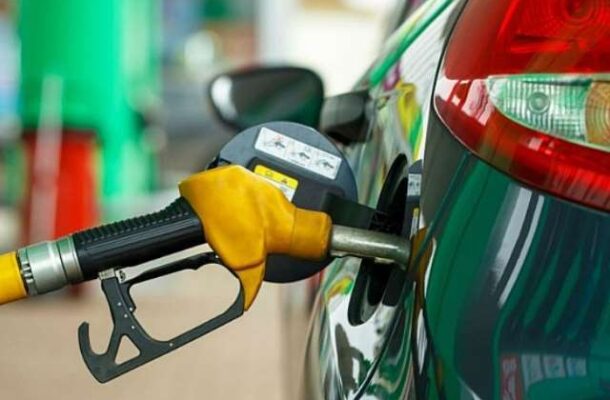
Star Oil was among the first companies to implement new prices, increasing the pump price of petrol to GH¢15.20 per litre from GH¢14.60 per litre, which was in effect during the previous pricing window that began on May 16.
The company, however, retained its diesel price at GH¢15.81 per litre.
It remains unclear how other major industry players, including GOIL, Shell, TotalEnergies, and Zen Petroleum, will adjust their prices in the coming days.
The latest price changes follow the National Petroleum Authority’s (NPA) announcement on May 28 of the official price floors applicable for the June 1–16 pricing period.
Under the new directive, no Oil Marketing Company is permitted to sell petrol below GH¢15.20 per litre, reflecting an increase from the previous pricing cycle. Meanwhile, the minimum selling price for diesel has been reduced to GH¢15.49 per litre.
Industry Forecasts
The Chamber of Oil Marketing Companies (COMAC) has projected varying price movements for companies that procure petroleum products on credit from Bulk Oil Distributors.
According to COMAC, petrol prices are expected to increase by between 4.2 percent and 6.2 percent, potentially reaching GH¢15.92 per litre.
Liquefied Petroleum Gas (LPG) is also projected to record a modest increase of up to 2.24 percent, pushing prices to approximately GH¢17.30 per kilogramme.
In contrast, diesel prices are expected to decline by between 1.65 percent and 2.0 percent, with estimated pump prices settling around GH¢17.20 per litre.
Factors Influencing Prices
COMAC attributed the mixed price outlook to a combination of lower international petroleum prices, continued pressure on the Ghana cedi, and ongoing interventions by government and industry stakeholders.
The government-industry pricing support mechanism, which was extended on May 16, remains in effect and continues to influence retail fuel prices.
Under the latest review, the intervention margin for petrol has been completely removed, while the support applied to diesel has been reduced to GH¢1.07 per litre.
According to COMAC, the arrangement is intended to gradually align local fuel prices with international market conditions while shielding consumers from the full impact of global price fluctuations.
The latest adjustments are expected to influence transport and business operating costs as consumers and industry players respond to changing fuel market dynamics.




Popular News
No trending posts found.