
Rising cost of living leaves only 32% of Ghanaian workers able to save
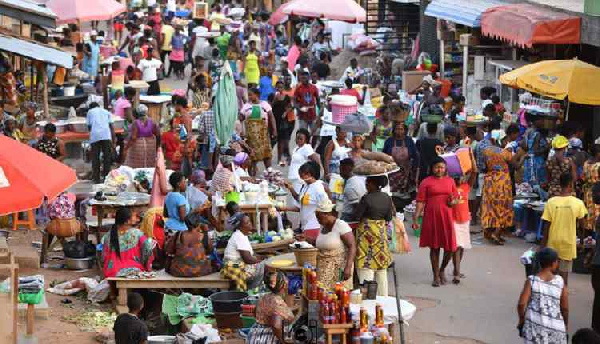
A new study conducted by Professor Smart Sarpong of Kumasi Technical University has revealed that only 32.2 percent of salaried workers in Ghana are able to save from their monthly income, underscoring the growing financial pressure on employees across the country.
The National Cost of Living Outlook Report for the first quarter of 2026 found that 67.8 percent of workers spend more than they earn each month, reflecting the worsening economic burden on households.
The survey, which covered 4,155 households across eight regions, attributed the low savings culture largely to inadequate salaries, especially within the private sector.
According to the report, 95 percent of workers in Ghana earn below GH₵5,000 monthly, while more than 36 percent receive less than GH₵1,000.
The findings further highlighted a significant income gap between public and private sector workers. Only 6.6 percent of public sector employees earn below GH₵1,000, compared to 15.8 percent in the private sector.
In addition, 58 percent of private sector employees earn less than GH₵2,000 monthly, whereas just 19.7 percent of public sector workers fall within the same income range.
At the upper end of the salary scale, 55 percent of public sector employees earn above GH₵4,000, compared to only 18.1 percent of workers in the private sector.
The report also noted a sharp decline in public perception regarding the affordability of living in Ghana.
By the end of the first quarter of 2026, only 14.4 percent of respondents considered the cost of living to be low, a major drop from 68.8 percent recorded in 2025.
While 42.8 percent of respondents said they observed no significant change in living conditions compared to the previous year, the study recorded a three percent rise in the number of people who described the cost of living as high.
Electricity tariffs, public transportation costs, and mobile services such as data bundles and call credit were identified as the major factors driving the increasing cost of living in Ghana.














Comments (0)