
Ghana may return to IMF programme by 2033 – Prof. Bokpin warns
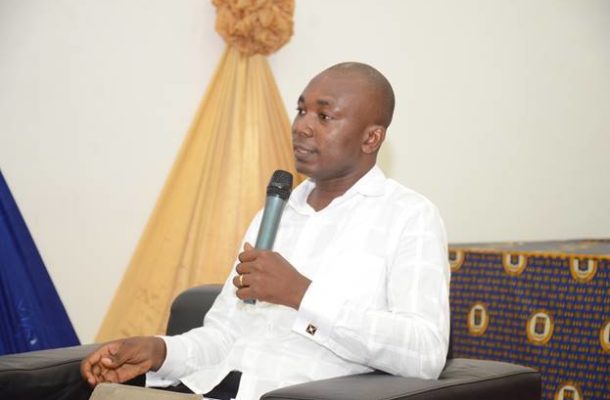
Economist Godfred Bokpin has warned that Ghana could return to an International Monetary Fund (IMF)-supported programme by 2033 if long-standing structural weaknesses in the economy are not addressed.
Speaking at the 2026 Axis Pension Trust Pension Strategy Conference, Prof. Bokpin said current economic trends suggest Ghana may be repeating a historical cycle of economic instability and recurring dependence on IMF assistance.
He noted that the challenges driving Ghana’s engagement with the IMF today are not significantly different from those that led to earlier programmes, including the country’s first engagement under Dr. Kwame Nkrumah.
“The reasons Dr. Kwame Nkrumah cited for approaching the IMF are not substantially different from the reasons we cited in 2022 for our current programme,” he said.
According to him, Ghana’s repeated return to IMF support reflects a failure to fully address deep-rooted structural weaknesses in the economy.
“If we were learning from past programmes with determination, we should be able to identify why we have been going there that often. I can assure you there is a way you can predict if these things persist, that we will be there,” he stated.
Prof. Bokpin further projected that if current conditions persist, Ghana could be back under an IMF-supported programme by 2032 or 2033.
“When government announced that they were exiting the programme, we did our analysis and concluded that Ghana will be fully ready for another IMF supported programme by 2032 or 2033,” he noted.
He also cautioned that such an outcome could coincide with growing concerns about the sustainability of Ghana’s pension system, especially if structural reforms are delayed.
The economist pointed to recurring vulnerabilities such as commodity price volatility, rising public debt and declining foreign reserves as key drivers of Ghana’s dependence on external financial support.
He also referenced the country’s long-standing inflation challenges, noting that inflation surged in the mid-1960s following the introduction of the cedi and has remained structurally difficult to contain.
While acknowledging recent improvements in inflation performance, Prof. Bokpin argued that Ghana’s economic structure continues to make sustained price stability difficult without deeper reforms.













Comments (0)