GWL orders evacuation at Weija Dam
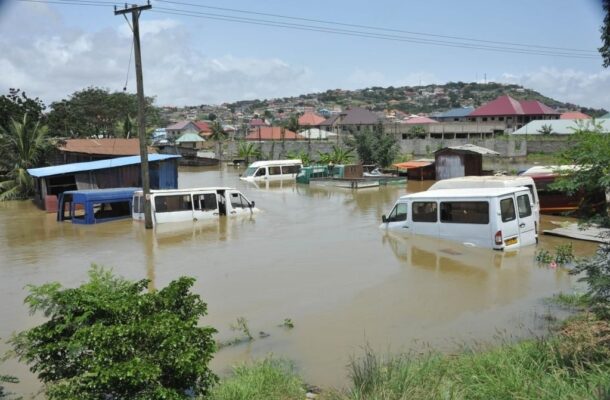
Ghana Water Limited (GWL) has announced the commencement of a controlled spillage of excess water from the Weija Dam following a sharp rise in water levels beyond the dam’s maximum operating threshold, raising renewed concerns about possible flooding in downstream communities across parts of the Greater Accra Region.
In an emergency public notice issued by the management of the company, Ghana Water Limited disclosed that the water level in the Weija Dam has risen above the critical maximum operating level of 48 feet, compelling authorities to open all spill gates of the dam to release excess water and protect the structural integrity of the facility.
According to the company, the decision forms part of standard safety procedures undertaken annually during the rainy season whenever water levels rise dangerously above safe operational limits.
“The public may recall that every year during the rainy season, and anytime the water level exceeds 45 feet, Ghana Water Ltd undertakes controlled spilling operations to prevent undue pressure on the dam and avert any potential disaster,” the statement explained.
Management further revealed that the Ghana Meteorological Agency has forecast additional torrential rains upstream of the dam area, a development expected to significantly increase inflows into the reservoir in the coming days and weeks.
As a result, GWL warned that the controlled spilling exercise is likely to continue for an extended period until water levels reduce to safer operational limits.
“This process may continue for some months depending on rainfall patterns and inflow volumes,” the statement added.
The development has revived memories of previous flooding incidents linked to the Weija Dam spillage, which over the years have displaced thousands of residents, destroyed properties and disrupted economic activities in several downstream communities.
Communities historically affected by Weija Dam spillages include parts of Weija, Tetegu, Oblogo, McCarthy Hill, Bojo Beach, Glefe, Dansoman and surrounding low-lying areas where floodwaters have repeatedly caused severe destruction during heavy rainy seasons.
In view of the current situation, Ghana Water Limited has strongly advised residents living along the downstream course of the river to immediately evacuate vulnerable locations to avoid any possible disaster.
“All persons living along the course of the river downstream of the dam are strongly advised to evacuate from vulnerable areas immediately to forestall any eventuality and ensure the safety of lives and property,” the company cautioned.
The company also disclosed that the National Disaster Management Organisation (NADMO) and several Metropolitan, Municipal and District Assemblies have already begun preparations to remove structures and other obstructions preventing the free flow of water into the sea.
According to Ghana Water Limited, these emergency interventions are necessary to reduce the risk of severe flooding once the spillage intensifies.
Management further appealed to the relevant authorities to expedite the removal of illegal structures, choked drains and other blockages that could worsen the flooding situation in affected areas.
The Weija Dam, which serves as one of the major water supply sources for Accra and surrounding communities, has over the years faced increasing pressure during peak rainy seasons due to rapid urbanization, poor drainage systems and encroachment on waterways around flood-prone areas.
Disaster management experts have consistently warned about the dangers posed by unregulated construction activities along riverbanks and waterways, arguing that continued human settlement in flood-prone zones significantly increases the risk of loss of lives and destruction whenever the dam is spilled.
Ghana Water Limited has therefore urged the public to cooperate fully with all directives issued by emergency response agencies and local authorities as efforts continue to manage the situation and protect lives and property.
















Comments (0)