
ECOWAS commits US$151m to drive AfCFTA implementation
The Economic Community of West African States (ECOWAS) is moving beyond policy discussions to the practical implementation of free trade across the region, backed by a US$151 million investment initiative and a proposed 25 per cent reduction in airport taxes.
The measures are part of efforts to expand Africa’s participation in global trade, which currently accounts for less than one per cent, while also strengthening the implementation of the African Continental Free Trade Area (AfCFTA).
At the fifth joint meeting of ECOWAS Ministers of Trade and Industry held in Accra, regional leaders agreed on concrete actions to lower trade costs, deepen regional integration, and stimulate private sector development.
They also highlighted the importance of boosting intra-African trade, which stands at about 10 per cent, compared to around 60 per cent in other regions, stressing the need for urgent reforms, clear timelines, and stronger policy execution.
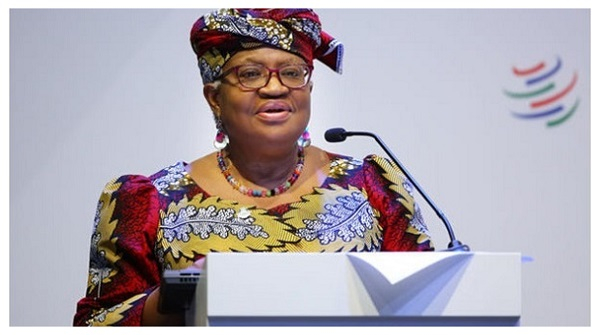
World Trade Organisation (WTO) Director-General Dr. Ngozi Okonjo-Iweala disclosed that US$151 million has already been mobilised to support development initiatives in the region.
She noted that over 30 per cent of African exports remain low-value commodities, reflecting limited progress in transforming trade structures, and called for greater emphasis on value addition and productivity enhancement.
Dr. Okonjo-Iweala further urged African countries to leverage their natural resources for industrialisation rather than continuing the export of raw materials, especially amid global supply disruptions and geopolitical uncertainty.
Ghana’s Minister of Trade, Agribusiness and Industry, Elizabeth Ofosu-Adjare, stressed that the meeting must translate into measurable outcomes with clear targets and implementation timelines.
She underscored industrialisation as a key driver of job creation, particularly for young people, and emphasised that no country can achieve sustainable development in isolation.
According to her, deeper regional cooperation, integrated supply chains, streamlined borders, and harmonised standards are essential for the successful implementation of AfCFTA.
She also identified non-tariff barriers—such as bureaucratic delays and restrictive regulations—as the most significant obstacles to trade, describing them as a “monster” that must be addressed urgently through digitalisation and reform.
As host of the AfCFTA Secretariat, Ghana reaffirmed its commitment to driving continental trade integration, pledging continued leadership and policy support to ensure the agreement delivers tangible benefits to citizens across West Africa.
Speaking on behalf of the ECOWAS Commission, Director of Trade Kolawole Adebowale Sofola said a five-pillar implementation framework has been adopted to ensure AfCFTA benefits extend beyond large corporations to include all citizens.
He explained that the strategy places special emphasis on micro, small and medium enterprises (MSMEs), as well as women and youth traders, while also strengthening public awareness to help more businesses access trade opportunities.
On infrastructure, ECOWAS identified regional connectivity as a critical enabler of trade, with plans to improve road, rail, maritime, and air transport networks.
To reduce transportation costs, ECOWAS heads of state have directed member countries to implement a 25 per cent reduction in airport taxes.
Additionally, modern storage facilities are being developed at selected border posts to preserve perishable goods and reduce post-harvest losses, particularly for agricultural producers.
To address financing constraints, ECOWAS is working to harmonise financial regulations and establish a regional capital market authority. This is expected to enhance access to funding through instruments such as regional bonds, thereby supporting infrastructure development across the sub-region.
Overall, ECOWAS says these coordinated interventions are aimed at making AfCFTA fully operational by improving infrastructure, lowering trade costs, and strengthening private sector competitiveness.
If effectively implemented, the measures are expected to significantly boost intra-African trade, accelerate industrialisation, and drive inclusive economic growth across West Africa and the wider continent.














Comments (0)