
Government maintained Cocoa Prices to cushion farmers – COCOBOD
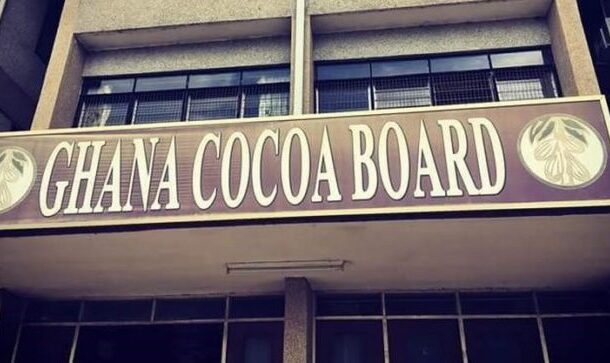
Head of Public Affairs at the Ghana Cocoa Board (COCOBOD), Jerome Sam, has defended the government’s decision to intervene in cocoa pricing during the current season, describing it as a necessary step to protect farmers and safeguard the long-term viability of the cocoa sector.
Speaking on JoyNews on Monday, Sam explained that cocoa producer prices are traditionally announced at the beginning of the main crop season and maintained until the next scheduled review. However, he said unusual developments in the cocoa market over the past year required authorities to depart from the normal practice.
According to him, market conditions that emerged from last year into the current season prompted a review of producer prices in February, leading to widespread discussions within the industry.
“It is quite unfortunate. Something happened from the beginning of last year into this year, and that required a change in the price somewhere in February, which led to all these conversations,” he said.
Sam noted that under Ghana’s cocoa pricing framework, producer prices are typically announced at the start of the season and reviewed again during the light crop season.
“This is a conventional practice. At the beginning of the season, an official announcement is made, and when we get to the light crop season, there is another announcement,” he explained.
He said the government’s primary consideration in maintaining the current producer price was the welfare and income of cocoa farmers, many of whom depend heavily on cocoa production for their livelihoods.
“The government took into consideration the income levels of the ordinary farmer. That was the first and most important factor,” he stated.
Sam stressed that the intervention was carefully weighed and ultimately deemed necessary to support a sector that remains a major contributor to Ghana’s economy.
“I think it was necessary. Government and COCOBOD took that decision just to save a sector which significantly contributes to our GDP,” he said.
He argued that if pricing decisions had been based solely on prevailing international market conditions, producer prices in Ghana would likely have been reduced further.
“If we are to consider what is prevailing on the international market, then of course the price would have gone down again,” he noted.
Drawing comparisons with neighbouring Côte d’Ivoire, Sam said cocoa producer prices there are adjusted whenever global market prices decline.
“Should you come to Côte d’Ivoire, where I find myself today, that’s what is happening because they are having changes as and when the prices dip,” he said.
According to Sam, Ghana deliberately chose to shield cocoa farmers from additional financial strain by maintaining the existing producer price through the end of the season.
“We made a decision that the farmer has already been hit, so we need to ensure that prices remain unchanged so we can end the season,” he explained.
He added that while government remains committed to protecting farmers’ incomes, it is also focused on ensuring the sustainability of the cocoa industry for future generations.
“Inasmuch as we are protecting the farmer, we are also ensuring a sustainable sector, which will continue to play that major role in the lives of farmers as well as the economy,” he said.














Comments (0)