
Gov’t moves to curb asset fire sales with new legislation
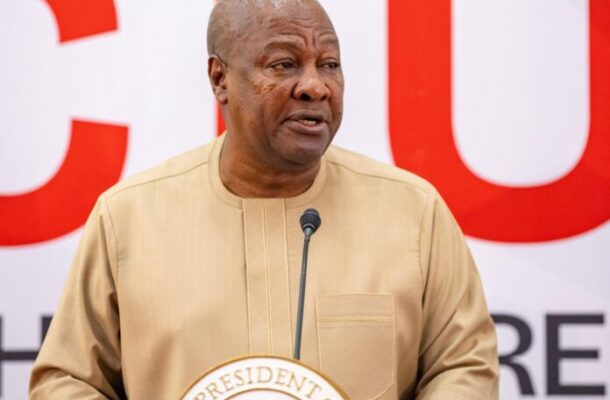
President John Dramani Mahama has announced that his administration is moving to establish legal guardrails around how state property changes hands, seeking to prevent any future government from disposing of public assets on a whim.
Speaking at the Ghana Civil Society Forum 2026, Mahama disclosed that Cabinet has commissioned the Attorney-General to craft legislation that would create a comprehensive framework governing the management and alienation of state resources.
The proposed State Assets Protection Bill represents an attempt to lock down procedural discipline around decisions affecting everything from land parcels to industrial installations, from government buildings to production facilities. Under the new regime, no administration would be permitted to simply transfer public property without following established protocols and demonstrating public justification.
“Yesterday, Cabinet took a decision directing the Attorney General to draft a bill for the protection of state assets. It’s called the State Assets Protection Bill. It shows the guidelines under which any state asset can be disposed of, including lands, buildings, state assets, factories, industries, so that no government just capriciously disposes of state assets,” the President said.
The move signals concern that past administrations may have divested public holdings without adequate oversight or transparent process — a pattern Mahama’s government apparently intends to prevent through binding legislation.
Simultaneously, Cabinet has signed off on a separate initiative: the National Ethics and Anti-Corruption Plan 2026–2030, a five-year strategic roadmap designed to marshal government resources and institutional will against endemic corruption.
Mahama framed the anti-corruption plan as emblematic of his administration’s commitment to dismantling opacity and reconstructing the eroded confidence that citizens once held in government institutions. Strengthened ethics architecture and coordinated anti-graft campaigns, he suggested, lie at the foundation of any credible effort to restore legitimacy to state action.
Together, the two initiatives paint a picture of a government attempting to legislate against both the casual disposal of public assets and the systemic corruption that had historically enabled such transactions.






Popular News
No trending posts found.