












Ghana grants first medicinal cannabis licences but warns recreational use remains illegal

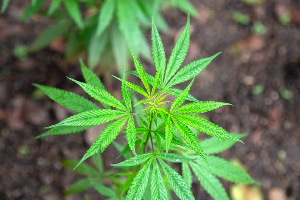
Ghana has issued its first licences for the cultivation of medicinal and industrial cannabis, but the Narcotics Control Commission (NACOC) has warned that recreational use and unlicensed production remain illegal.
NACOC Director-General Major General Maxwell Obuba Mantey said only two companies, MJ Adom Limited and Juliotpa Limited, had so far satisfied the requirements for approval.
The licences mark a significant step in Ghana’s controlled introduction of cannabis for medical and industrial purposes, with the pilot scheme intended to create jobs and generate economic opportunities.
Major General Mantey said the approval process had been thorough and included online applications, technical assessments by a committee made up of several agencies, and inspections of the proposed cultivation sites.
“We scrutinized all applications thoroughly to ensure strict compliance with the provisions of the Legislative Instrument (LI),” he stated. “Not everyone who applies will get the licence. You must meet all the requirements before approval is granted.”
Under the regulations, cannabis may be cultivated legally only where the plant’s tetrahydrocannabinol (THC) content does not exceed 0.3% and the grower holds a valid licence.
Major General Mantey stressed that the new scheme did not amount to a relaxation of Ghana’s laws on recreational cannabis.
“Let me make it clear recreational cannabis remains illegal in Ghana. The issuance of licences for medicinal and industrial purposes does not open the door for unlawful cultivation,” he stressed.
He said NACOC would increase action against illegal cannabis activities. Officers were already carrying out arrests, he added, while further operations would be introduced to target growers operating without authorisation.
Licensed companies have also been warned that approval comes with strict conditions. Operators must remain within the acreage and operational limits specified in their permits and cannot expand their activities without permission.
“You cannot go beyond what has been granted to you. If you violate the terms, the licence though valid for three years can be revoked at any time,” he cautioned.
NACOC will retain the power to conduct unannounced inspections at licensed farms as part of its efforts to ensure that the conditions of the permits are being followed.
The pilot programme is designed to allow Ghana to explore the potential benefits of cannabis in medicine and industry while maintaining controls over the level of THC in cultivated plants.
“The essence of this programme is to create jobs and harness the benefits of cannabis within the legal THC threshold,” he explained. “If managed properly, the benefits will be enormous to both companies and the Ghanaian economy.”
Despite the economic aims of the initiative, Major General Mantey said the country remained committed to tackling drug abuse, which he described as a serious national concern.
“This is not about recreational use. We are dealing with a drug menace, and we will not relent in our efforts to combat it,” he said.
He urged businesses and other stakeholders to contact NACOC if they needed clarification and called on all participants to follow the regulatory requirements fully. The commission believes compliance will be essential if the pilot is to deliver its intended health and economic benefits while preventing illegal cultivation.





Popular News
No trending posts found.