















Global Cocoa prices surge after Ghana slashes production forecast
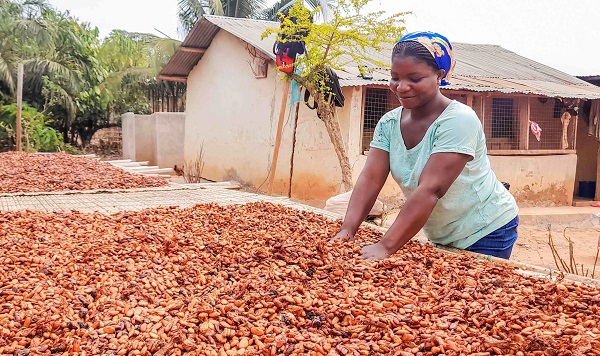
Global cocoa prices climbed sharply after Ghana revised downward its cocoa production forecast for the 2026/27 crop season, raising fresh concerns over global supply from the world’s second-largest cocoa producer.
Cocoa futures in New York jumped 7.4 per cent to settle at US$5,490 per metric tonne on July 31, while London futures gained 6.9 per cent to close at £4,074 per tonne.
The rally extended into Monday, August 3, with New York cocoa contracts trading at about US$5,664 per tonne and London futures remaining above the £4,000 mark.
The price increase came after the Ghana Cocoa Board (COCOBOD) announced that cocoa production for the upcoming 2026/27 season could fall to between 450,000 and 550,000 metric tonnes, significantly lower than the projected 750,000 tonnes for the current 2025/26 crop season.
COCOBOD attributed the expected decline to the widespread outbreak of cocoa swollen shoot disease, ageing cocoa farms and the anticipated effects of the El Niño weather pattern.
The revised production forecast quickly changed market sentiment after cocoa prices had softened in recent weeks due to expectations of improved supplies from other producing countries.
In Côte d’Ivoire, cocoa arrivals at ports have risen by 21 per cent during the current marketing season compared with the same period last year, while Nigeria recorded a 30 per cent increase in cocoa exports in June.
Those positive supply developments had pushed cocoa prices to their lowest levels in four weeks before traders reacted to Ghana’s lower production outlook by buying back positions, driving prices higher.
Industry analysts believe Ghana’s latest forecast has reshaped expectations for global cocoa availability.
Commodity research firm StoneX has revised its forecast for the global cocoa surplus in the 2026/27 season, cutting it from 149,000 metric tonnes to just 25,000 metric tonnes due to growing production risks across West Africa.
Market concerns have also intensified over the prospect of a weaker cocoa harvest in neighbouring Côte d’Ivoire, which, together with Ghana, produces more than half of the world’s cocoa.
Although cocoa prices remain below the record levels of more than US$12,000 per tonne reached in early 2024, they continue to trade at nearly double their long-term historical average.
Analysts say the market continues to be supported by persistent structural challenges, including cocoa diseases, illegal mining activities on cocoa farms, ageing plantations and the increasing impact of climate-related risks on production.
The latest surge in cocoa prices highlights Ghana’s continued importance in the global cocoa market, with changes in the country’s production outlook continuing to influence international commodity prices.






Popular News
No trending posts found.