
Gov’t to install 23,500 solar street lights- Energy Minister
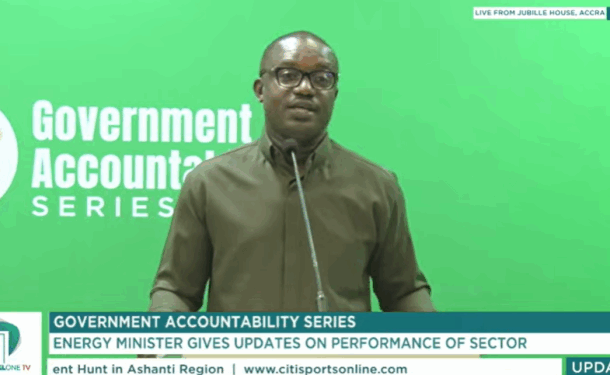
The Minister for Energy and Green Transition, John Jinapor, has revealed that the government has commenced the installation of solar-powered streetlights across the country as part of a larger initiative to reduce dependence on the national electricity grid.
Speaking during the Government Accountability Series on Wednesday, July 16, the minister revealed plans to install 23,500 solar streetlights along a stretch of 700 kilometers.
According to him, the move is designed to gradually transition street lighting from the national grid to solar power, significantly reducing the strain on the electricity supply system.
“We intend to do 23 thousand five thousand units covering of a distance of 700km so that gradually we can take solar as the main focus and move out street lights away from the grid,” he said.
The minister explained that the streetlights are heavily dependent on the national grid, which becomes problematic during peak electricity usage hours.
“The streetlights depend largely on the grid and unfortunately these street lights come on during the peak period. The difference between the peak period and the off peak period arranges around 400 to 600 megawatts.”
“These streetlights alone account for more than 200 megawatts so if we can take them off and put them on solar systems, it means that we would be shaving off about 200 to 300 megawatts and that will contribute significantly towards efficiency in the sector,” he said.
The Minister explained that this initiative forms part of broader efforts to modernise the country’s energy infrastructure and reduce the financial burden on the state.
In addition to the solar streetlight project, Mr. Jinapor also stated that the Ministry is also focused on bringing other institutions, such as government departments and schools, into the fold of renewable energy use.
He explained that installing solar rooftops on these buildings, will not only cut down on energy consumption but also reduce electricity bills for these institutions.
“If we do that it means that it will also being about efficiency and reduce electricity bills of these institutions,” he said.















Comments (0)