
IMF urges Ghana to accelerate reforms in Energy and Cocoa Sectors
The International Monetary Fund (IMF) has called on Ghana to intensify structural reforms in the energy and cocoa sectors, warning that persistent inefficiencies in both industries continue to threaten fiscal stability and the country’s broader economic recovery efforts.
The recommendation was contained in a statement issued by an IMF staff team led by Ruben Atoyan following a mission to Accra from April 29 to May 15 as part of Ghana’s 2026 Article IV consultation and the final review of the Extended Credit Facility (ECF) programme.
According to the Fund, urgent reforms are needed in the energy sector to address long-standing operational and financial challenges, particularly at the Electricity Company of Ghana (ECG).
The IMF noted that high distribution losses and weak revenue mobilisation systems at ECG continue to place a heavy financial burden on the state.
It stressed the need to improve payment discipline across the energy value chain to help reduce the sector’s growing liabilities and improve financial sustainability.
The Fund also urged government to clear legacy arrears and implement measures aimed at reducing power generation costs, explaining that inefficiencies within the energy sector have historically contributed to fiscal pressures and contingent liabilities.
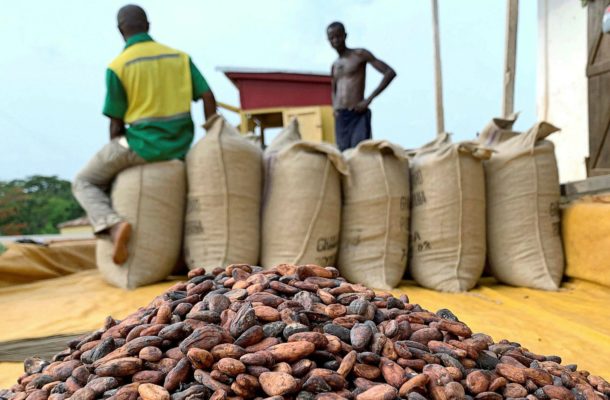
In the cocoa sector, the IMF emphasised the need for reforms to safeguard the long-term financial sustainability of the Ghana Cocoa Board (COCOBOD), which remains one of the country’s major export earners.
“Priority should be given to strengthening the legislative framework to streamline costs, including through more frequent farmgate price adjustments, improve efficiency, and ensure COCOBOD’s long-term financial sustainability,” the IMF stated.
The Fund explained that rigid pricing systems and structural weaknesses within the cocoa value chain have contributed to financial difficulties in the sector.
It added that reforms aimed at improving efficiency, cost recovery, and operational sustainability would be critical to strengthening the cocoa industry.
The IMF further stressed that enhancing governance and operational efficiency in both the energy and cocoa sectors would help reduce fiscal risks and protect public resources.
According to the Fund, addressing these structural challenges will also support Ghana’s broader reform agenda under the ECF programme, which seeks to restore macroeconomic stability, strengthen debt sustainability, and promote inclusive economic growth.
The IMF staff team maintained that sustained reforms in the two sectors would be crucial to consolidating recent economic gains and preventing the recurrence of fiscal vulnerabilities.












Comments (0)