















NPP requests return of Ghana Cocoa Board Bill for review
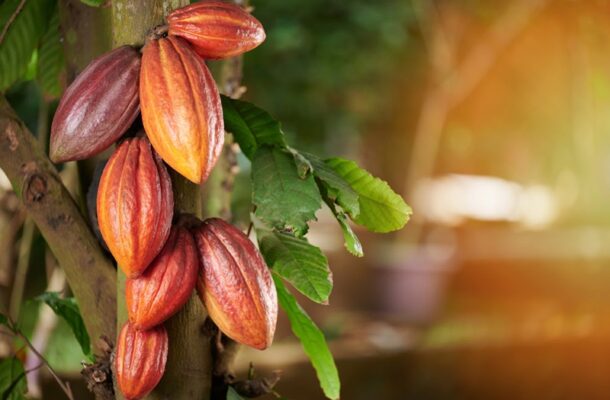
The New Patriotic Party (NPP) has called on President John Dramani Mahama to withhold assent to the Ghana Cocoa Board Bill, 2026, arguing that although the legislation seeks important reforms, it was passed through a flawed process that excluded key stakeholders, particularly cocoa farmers.
The party said it supports reforms in the cocoa sector but believes major provisions in the bill could ultimately harm farmers and undermine confidence in the industry.
Addressing a press conference on Sunday, August 9, the NPP Policy Secretariat said the bill was rushed through Parliament under a Certificate of Urgency in the final week of July without adequate consultation. The party argued that the legislation, which replaces PNDCL 81, affects approximately 800,000 cocoa farming households and millions of Ghanaians who depend on the sector.
The NPP said the cocoa industry is already facing significant challenges, including declining production and extensive swollen shoot disease, and warned that legislative reforms of such magnitude should not have been enacted without broader engagement. It claimed that no stakeholder engagement report was presented to Parliament’s committee, that major cocoa farmer associations were not consulted, and that concerns raised by industry groups were not incorporated into the final legislation.
The party also raised concerns about several clauses in the bill.
On the producer pricing formula, the NPP welcomed the provision guaranteeing farmers at least 70 percent of the Gross Free On Board (FOB) price but questioned the transparency of the formula. It argued that the “realised Gross FOB” used in the bill is an internal COCOBOD calculation that farmers cannot independently verify, and called for the publication and independent auditing of the pricing computation each season.
The NPP further criticised Clause 81, which restricts the felling or removal of cocoa trees without COCOBOD approval. According to the party, the provision could criminalise routine farm management practices such as pruning, thinning overcrowded trees, and removing diseased cocoa trees, potentially slowing efforts to control swollen shoot disease. It warned that the clause could expose farmers to arbitrary arrests and harassment.
Another major concern was Clause 85, which requires all farmers and farms to be registered on the Cocoa Management System before they can legally produce or sell cocoa. The NPP argued that registration is the responsibility of COCOBOD and that farmers should not be penalised if the registration process has not been completed. It called for the implementation of the clause to be deferred until registration is substantially complete.
The party also questioned the bill’s requirement that at least 50 percent of cocoa beans produced be processed locally. While supporting value addition, it argued that the legislation does not address the pricing constraints that currently prevent local processors from operating at full capacity.
As part of its recommendations, the NPP urged President Mahama to return the bill to Parliament for broader consultation with cocoa farmers, processors, hauliers, and other industry stakeholders. It also called for amendments to narrow COCOBOD’s discretionary powers, ensure transparency in the pricing formula, protect centralised cocoa marketing through the Cocoa Marketing Company, revise the restrictions on cocoa tree removal, and clarify the pricing basis for beans supplied to local processors.
The party concluded that while cocoa sector reform is necessary, the current legislation risks criminalising legitimate farming practices, penalising farmers for administrative shortcomings, and introducing uncertainties that could weaken the sector. It insisted that the bill should be reconsidered before it becomes law.






Popular News
No trending posts found.