
PFAG calls for swift implementation of rice import quota policy
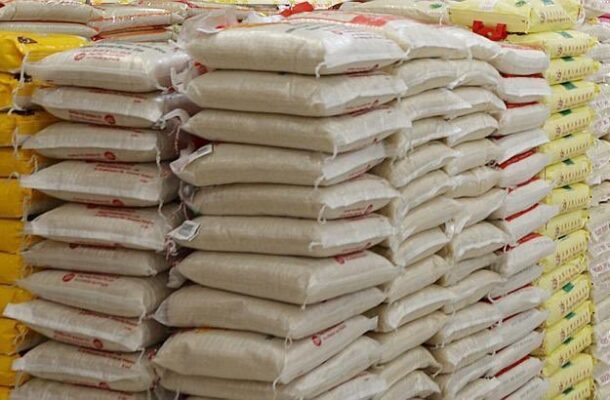
The Peasant Farmers Association of Ghana (PFAG) has urged the government to expedite the implementation of the proposed rice import quota policy, warning that delays could worsen the growing rice glut and increase financial losses for local farmers.
While welcoming the government’s decision to introduce a quota system aimed at boosting demand for locally produced rice, the Association said urgent action is needed to address the challenges confronting rice farmers across the country.
In a statement signed by its National President, Douglas Annor, PFAG revealed that more than 90 percent of rice farmers in major rice-producing regions are currently holding large quantities of unsold rice despite various interventions announced by the government.
The Association warned that the situation has become increasingly critical, with many farmers considering abandoning rice cultivation ahead of the next planting season if immediate measures are not taken to help them access markets for their produce.
According to PFAG, although local farmers have produced substantial volumes of quality rice, imported rice continues to dominate the domestic market, limiting opportunities for local producers.
The Association attributed the problem partly to the continued influx of imported rice and the widespread smuggling of rice through the country’s borders, which it said undermines the competitiveness of locally produced rice and discourages investment in the sector.
PFAG also expressed concern over the inability of the National Food Buffer Stock Company (NAFCO) to effectively purchase local rice despite a presidential directive aimed at supporting farmers through local procurement.
The Association argued that NAFCO’s failure to act as a buyer of last resort has further deepened the crisis and eroded confidence among rice producers.
To address the situation, PFAG called on the government to immediately operationalise the rice import quota policy and consider imposing a six-month moratorium on rice imports to allow existing local stocks to be sold.
It also urged the National Security apparatus to intensify efforts to curb rice smuggling at the country’s borders, describing the practice as a major threat to the livelihoods of Ghanaian farmers.
In addition, the Association advocated the introduction of a legal framework requiring public institutions, including schools, hospitals, prisons, security agencies, and state-owned enterprises, to prioritise the purchase of locally produced rice and other staple foods.
PFAG further proposed that farmer groups be engaged directly to aggregate and supply produce to public institutions to ensure the effective implementation of such a policy.
The Association also called for a comprehensive review of NAFCO’s mandate, funding arrangements, and procurement systems to strengthen its capacity to support farmers during periods of excess production.
Beyond rice, PFAG noted that producers of cassava, maize, yam, soybean, and cowpea are facing similar market challenges and require targeted interventions.
It therefore appealed to the government to develop a comprehensive Agricultural Market Stabilisation Policy to protect farmers, enhance food security, and promote sustainable growth across the country’s agricultural value chains.
The Association also advocated the establishment of a price stabilisation fund for rice and other strategic crops, alongside increased investment in storage facilities, milling infrastructure, and market access systems to reduce post-harvest losses and improve returns for farmers.





Popular News
No trending posts found.