














Rising fuel, food prices expose economy’s weaknesses – Gideon Boako
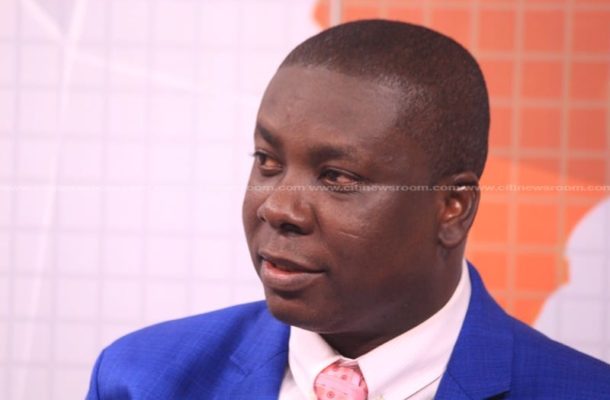
The Member of Parliament for Tano North, Dr. Gideon Boako, has criticised the government’s economic performance, arguing that the recent rise in fuel and food prices has exposed weaknesses in the country’s much-publicised economic recovery.
In a post on Facebook, the former spokesperson for the Vice President said the conclusion of Ghana’s International Monetary Fund (IMF) programme has revealed the true state of the economy, dismissing claims that it had become resilient.
According to Dr. Boako, the government’s fiscal consolidation efforts have come at the expense of development rather than representing genuine economic improvement.
“The IMF programme is over. The economy is naked again. After all, the much-talked-about resilience by government was just a hoax. The quality of our fiscal consolidation is also highly questionable. It is more of development suppression than fiscal consolidation. Fuel prices, tomato prices, and so on are really showing the skin of the economy,” he wrote.
His remarks come in response to recent assertions by Finance Minister Dr. Cassiel Ato Forson that the Mahama administration has successfully stabilised the economy through deliberate policy reforms.
Presenting the 2026 Mid-Year Budget Review in Parliament on July 23, Dr. Forson said the government inherited an economy that had been weakened by excessive borrowing, fiscal indiscipline and poor financial management.
He maintained that prudent economic policies introduced by the current administration have resulted in significant improvements in key macroeconomic indicators.
“President Mahama took over an economy with reckless spending, excessive borrowing and lack of accountability. President Mahama took over an economy that was on its knees,” the Finance Minister told Parliament.
Dr. Forson also credited the government’s economic management for the gains recorded so far, describing them as the result of sound policy decisions rather than chance.
He further cautioned against a return to the economic conditions that culminated in the 2022 crisis, stating that the period was characterised by sharp cedi depreciation, unsustainable borrowing and weak fiscal management.
The exchange of views highlights the growing debate between the government and the opposition over the true state of Ghana’s economy, as rising fuel prices and the increasing cost of essential commodities continue to affect households and businesses.






Popular News
No trending posts found.