
Fresh claims emerge over Justice Torkornoo’s removal saga
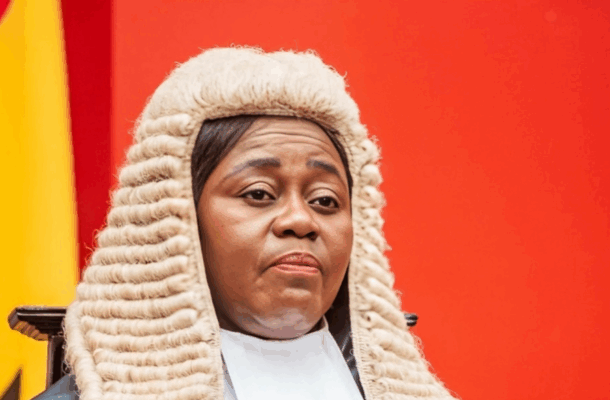
The removal of former Chief Justice Gertrude Torkornoo continues to spark debate, with fresh claims suggesting she had initially sought a negotiated retirement package before her dismissal.
Lawyer Abraham Amaliba, a member of the National Democratic Congress (NDC) legal team, disclosed on TV3’s KeyPoints programme that Justice Torkornoo engaged two prominent personalities to intercede on her behalf.
According to him, the proposal was that she be allowed to step down voluntarily while retaining all her benefits.
“That process was ongoing,” Mr. Amaliba said, “until she suddenly turned to the courts to contest her removal, effectively ending any chance of a settlement.”
His revelation followed a contrasting view from legal practitioner Mr. Ansa-Asare, who argued that, after more than two decades of service, Torkornoo should have been given the dignity of retirement.
“She has worked for 21 years,” he remarked. “On humanitarian grounds, the President could have allowed her to bow out quietly.”
President John Dramani Mahama, however, on September 1, 2025, dismissed the Chief Justice after a five-member committee found her guilty of financial misconduct.
The panel, established under Article 146(6) of the Constitution, was tasked with investigating a petition filed by businessman Daniel Ofori.
Legal analyst Martin Kpebu has since explained that the ruling carries severe consequences. “Once a Chief Justice is removed on grounds of stated misbehaviour, all retirement entitlements are lost,” he said, stressing that the forfeiture is automatic under the Constitution.
The inquiry was chaired by Justice Gabriel Scott Pwamang of the Supreme Court, with members including former Auditor-General Daniel Yaw Domelevo, Major Flora Bazaanura Dalugo of the Ghana Armed Forces, and academic Prof. James Sefah Dzisah.
Their findings concluded that Justice Torkornoo had engaged in “stated misbehaviour” within the meaning of Article 146(1), leaving the President with no discretion but to act under Article 146(9).
A statement signed by Government Communications Minister Felix Kwakye Ofosu confirmed her removal with immediate effect, stressing that the decision was not political but a constitutional obligation.
The conflicting narratives—between claims of a behind-the-scenes retirement deal and the hard legal reality of dismissal without benefits—have added another dimension to what is fast becoming one of the most controversial episodes in Ghana’s judicial history.




Popular News
No trending posts found.