
Deputy COCOBOD CEO details rollout of new financing framework
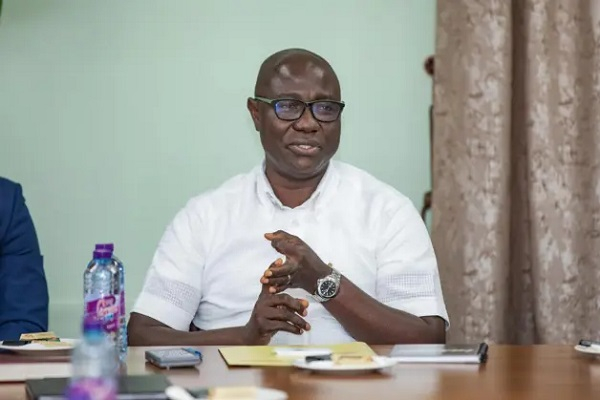
The Ghana Cocoa Board (COCOBOD) is advancing plans to introduce a locally financed funding framework that will allow it to raise working capital from domestic investors through a commercial paper programme.
Under the proposed arrangement, pension funds, commercial banks and key stakeholders in the cocoa value chain will serve as the main sources of financing.
The Deputy Chief Executive Officer in charge of Finance and Administration at Ghana Cocoa Board, Ato Boateng, said the institution has already engaged transaction advisors and is nearing completion of the programme’s structure ahead of its launch.
Speaking on the sidelines of the Ghana–UK Investment Summit in London, he said significant progress had been made in designing the financing model and addressing regulatory concerns raised by stakeholders.
“We’ve made significant progress and have hired all the advisors we need to launch the issuance. The advisors are working hard on the structure of the financing, which is almost finalised, to address all regulatory concerns raised by the relevant parties,” he said.
The proposed model forms part of broader government efforts to reform COCOBOD’s funding structure and reduce reliance on traditional syndicated offshore borrowing.
Under the new system, COCOBOD intends to raise funds entirely within Ghana through a commercial paper programme designed to finance cocoa purchases during the crop season.
Mr. Boateng explained that pension funds represent a key financing opportunity for the initiative.
“The whole idea is for COCOBOD to raise funds internally, and we are looking at three different sources. The first source is pension funds,” he noted.
He said pension funds currently manage assets of about GH¢100 billion and, under existing regulations, can allocate up to 35% of their portfolios to eligible investments.
“Pension funds can invest up to about 35% of their assets. We could potentially tap into 35% of the 100 billion cedis,” he added.
Commercial banks will form the second pillar of the structure. Although regulatory constraints remain a consideration, COCOBOD says it is exploring innovative mechanisms to boost banking sector participation.
The plan also includes involving Development Finance Institutions (DFIs) to enhance banks’ lending capacity and improve the programme’s overall viability.
“We need to be very innovative because we also want banks to actively participate. As such, we will look at bringing in Development Finance Institutions to expand the lending capacity of the banks,” he said.
The third financing stream will come from industry stakeholders within the cocoa value chain, including international buyers. COCOBOD is considering private placements targeted at key players in the sector to give them a direct stake in the arrangement.
“We also want to bring in our industry stakeholders… especially buyers and other players in the industry, so that they also have a stake in what we are doing,” he said.
He stressed that the programme is being developed in close collaboration with advisors and regulators to ensure a smooth rollout.
“It will be entirely locally financed. We are working very closely with advisors and regulatory authorities to ensure that Ghana is able to raise this funding locally through the issuance of commercial paper,” he added.
The proposed instrument is a 270-day commercial paper—about nine months—aligned with the cocoa purchasing cycle, which runs from September to January when most of the crop is procured.
The facility will function as a working capital tool, allowing COCOBOD to access funds in tranches during peak purchase periods and repay investors as cash flows are generated.
“What we are proposing is a 270-day commercial paper… It is essentially a working capital facility because our season runs from September through January,” he explained.
He added that the tranche-based structure would ensure efficient use of funds and minimise unnecessary borrowing costs.
“The idea is to structure the funding in tranches so that we draw only what we need for purchases. When the funds are no longer needed, we repay investors to ensure the money is used strictly for its intended purpose.”
The comments follow recent remarks by Finance Minister Dr. Cassiel Ato Forson, who indicated that government is preparing legislative reforms to strengthen COCOBOD’s financing framework.
The Governor of the Johnson Pandit Asiama has also supported efforts to broaden COCOBOD’s access to long-term domestic capital, including pension funds, while reducing dependence on conventional bank borrowing.
The proposed reforms come amid ongoing discussions about the sustainability of Ghana’s cocoa sector, including concerns over producer pricing and broader structural challenges within the industry.






Popular News
No trending posts found.