
My father left a valid will – Adwoa Safo
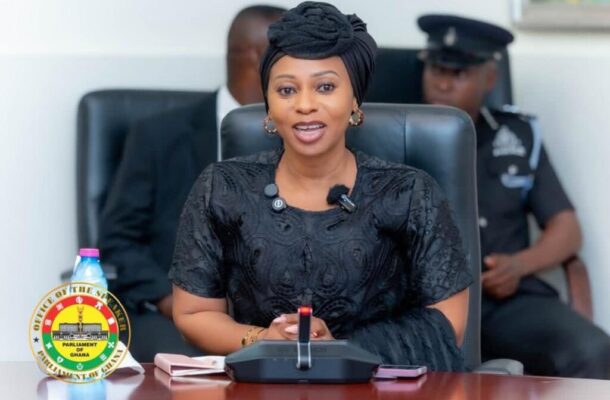
The former legislator entangled in the violent succession dispute roiling the Kristo Asafo Mission has pushed back forcefully against characterisations framing the conflict as a struggle for control of paternal wealth or ecclesiastical property, insisting instead that the real battleground concerns her obligation to execute her late father’s final institutional directives.
Sarah Adwoa Safo issued a statement on Friday, July 3, one week after she sustained injuries in a shooting incident at her brother’s Kwabenya residence.
The message reframed the entire controversy around the Kristo Asafo Mission succession as fundamentally misunderstood by public observers who have conflated familial disputes over inheritance with what she characterises as a matter of constitutional governance.
Apostle Kwadwo Safo, she maintained, left behind a comprehensive and legally binding testament governing the disposition of his estate — financial assets, real property holdings and other inheritances.
The existence of this valid will establishes that no intestacy complications cloud the succession picture, and therefore no legitimate grievance exists regarding the distribution of material wealth.
“It is also important to state clearly that my dad did not die intestate. He left a valid Will, which I believe sets out definitive provisions for the administration of his estate, including his properties and inheritance, all of which will be properly addressed and given effect upon the formal reading and execution of same,” Safo declared.
She further asserted that she harbours no personal appetite for enrichment from paternal assets, having long structured her life around principles of self-reliance and professional independence rather than familial dependency.
The genuine source of friction, Safo argued, involves institutional governance rather than financial gain. In 2024, the Kristo Asafo Mission underwent constitutional reformation that restructured church leadership hierarchies.
These amendments specifically removed Israel Kwadwo Safo — her brother — from ecclesiastical leadership whilst simultaneously appointing her as head of the Kantanka family in February 2025.
Critically, Safo claimed that her late father personally charged her with ensuring these constitutional amendments received full implementation.
The instruction allegedly came during her father’s final illness, when mortality had become evident and his institutional legacy hung in balance.
“On his death bed, my dad instructed me to ensure that this provision was expressly upheld, and I consider it my duty and responsibility to honour that directive as his first child,” she stated.
She categorically denied harbouring ambitions toward ecclesiastical leadership, rejecting the premise that she seeks to control the church apparatus or command its properties.
The conflict, she insisted, concerns neither her personal power trajectory nor competition for material assets but rather the execution of constitutional arrangements that her father deemed essential to the institution’s future trajectory.
“The matter at hand is neither about any aspiration on my part to lead the Kristo Asafo Church, nor does it concern a dispute over church property or, for that matter, inheritance,” Safo asserted.
Her statement amounted to an appeal to public reinterpretation of events that have otherwise been narrated as a dynastic power struggle or wealth contest.
She urged observers to abandon zero-sum frameworks that assume all disputes within families necessarily revolve around financial gain and instead recognise the possibility that institutional principle might animate familial disagreement.
Safo signalled her commitment to pursuing justice through lawful channels whilst respecting the formal processes through which her father’s testament would be executed and his stated preferences honoured.




Popular News
No trending posts found.