
Accra paralyzed as overnight downpour submerges streets, traps thousands in rush-hour chaos
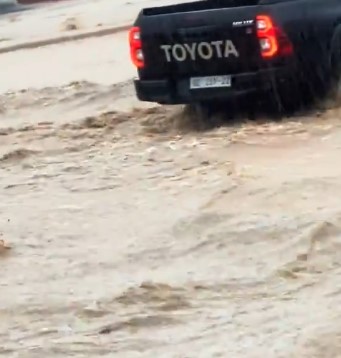
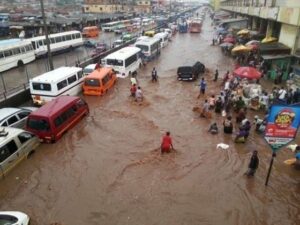
Ghana’s capital descended into transportation bedlam on Monday, June 29, as an overnight deluge transformed major urban corridors into waterlogged bottlenecks, trapping commuters in gridlock and forcing emergency authorities to deploy across affected neighbourhoods.
The sustained rainfall left multiple principal routes choked with stationary vehicles as drivers found themselves unable to proceed through sections where rising floodwaters had overwhelmed drainage infrastructure.
The morning commute degenerated into scenes of frustration as hundreds of people found themselves stalled indefinitely.
Richard Amuyatey, heading NADMO’s Inspectorate operations, took to the airwaves during Joy FM’s morning programming to counsel residents on how to navigate the crisis.
His message was unambiguous: avoid venturing into flooded zones and remain sheltered indoors where possible.
“We are on the ground and responding to all situations. What they need is to stay indoors where they are and stay safe,” Amuyatey stated, emphasising that personal safety must override any urgency to proceed with planned activities.
The emergency official issued particular warnings to those tempted to traverse waterlogged thoroughfares on foot or behind the wheel.
Such actions, he stressed, invite catastrophe — drowning risks for pedestrians and the very real possibility of vehicles stalling or being swept away when drivers underestimate water depth and current velocity.
For those already separated from home and workplace, Amuyatey advised relocating to sheltered spaces and postponing travel until water levels receded and roads became passable once more. Those fortunate enough to remain at their residences were counselled to stay put until conditions stabilised.
Disaster management personnel continued their surveillance of inundated districts throughout the day as authorities braced for the possibility of continued precipitation.
Residents requiring NADMO emergency intervention were directed toward the national distress hotline — either 112 or 0302964 884 — to request assistance.
VIDEOS BELOW:



Popular News
No trending posts found.