
ACEP urges government to restore fuel relief measures amid rising global oil prices
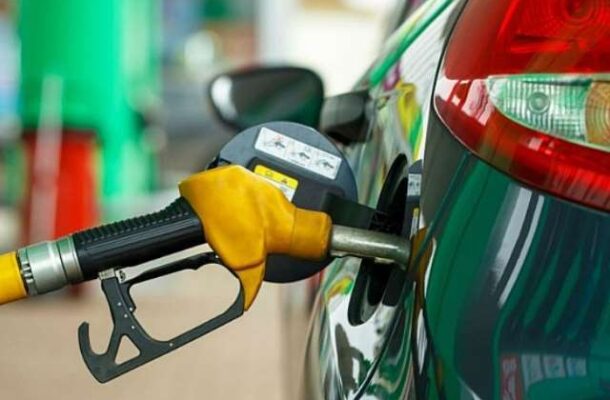
The Africa Centre for Energy Policy (ACEP) has called on the government to reinstate fuel price relief measures, warning that rising international crude oil prices could lead to higher fuel costs at the pumps in Ghana in the coming weeks.
The appeal comes amid a surge in global oil prices, with Brent crude moving closer to $80 per barrel following renewed tensions between the United States and Iran, alongside attacks on vessels operating along the Strait of Hormuz, one of the world’s most important oil shipping routes.
The latest developments have reversed the recent decline in crude prices, which had contributed to reductions in fuel prices on the Ghanaian market.
Speaking on Citi Business News, ACEP’s Policy Lead for Petroleum and Conventional Energy, Kodzo Yaotse, said Ghana’s dependence on imported refined petroleum products means consumers could face higher prices if the current geopolitical tensions continue.
He explained that previous disruptions in global oil supply had shown how quickly international developments could affect domestic fuel prices.
“We have seen when it happened from late February throughout March, where crude prices went all the way to above $100 a barrel. Such uncertainties occasioned by disruptions in the supply of crude products are something that we should expect,” he said.
Mr Yaotse noted that crude prices have already increased to about $75 per barrel, driven largely by market concerns over possible disruptions to oil shipments through the Strait of Hormuz.
For a country like Ghana, which imports most of its refined petroleum products, he said such increases would eventually translate into higher costs for consumers.
“For net importers like Ghana, it means there will be a pass-through of the costs. If the global prices are increasing again, we have to prepare for the pass-through of the price increments, and unfortunately, that is what we have to contend with,” he stated.
According to him, three major factors determine fuel prices in Ghana: global petroleum product prices, the exchange rate and taxes incorporated into the local pricing structure.
The energy policy expert cautioned that a sustained rise in international oil prices could threaten Ghana’s recent economic improvements, particularly the decline in inflation.
“We have had inflation at an all-time low, around three percent. You don’t want exogenous factors that would shock the system to cause the stability and the inflation that we have been enjoying for a time to shoot up,” he said.
Mr Yaotse urged government to make better use of existing mechanisms such as the Stabilization Levy to protect consumers whenever global oil prices rise sharply.
He argued that the levy was established to help manage fuel price shocks but has largely been used for other interventions, limiting its effectiveness.
“The purpose of that levy is to smoothen prices when there are steep escalations like we have seen. But over time, we have only used that money to pay for premix fuel subsidies, which renders it incapable of doing the job that it’s supposed to do for us,” he noted.
He further called for a structured and predictable fuel relief system that would automatically provide support when international market conditions worsen.
“We need that relief to come, but we need it programmed around the thinking of the geopolitics of what is happening. It should become a matter of public policy where, if prices increase to a certain level, these reliefs automatically kick in,” he added.
According to the ACEP official, an automatic relief framework would help both consumers and Oil Marketing Companies prepare better during periods of volatility in the global energy market.
Government recently ended the remaining diesel fuel price relief of GH¢1.07 per litre ahead of the second pricing window of June, which took effect on June 16.
The move effectively brought an end to temporary fuel interventions introduced to cushion households and businesses from rising petroleum prices linked to geopolitical tensions in the Middle East.





Popular News
No trending posts found.